Over the last fifty to sixty years, basic tools, including kitchen gadgets, have evolved considerably. Items once common in your grandmother’s kitchen are now unrecognizable. However, it’s a pity because many vintage appliances were exceptionally effective for cooking and baking. That’s why we’ve gathered the best ones for a nostalgic journey, making us wonder why we ever stopped using them.
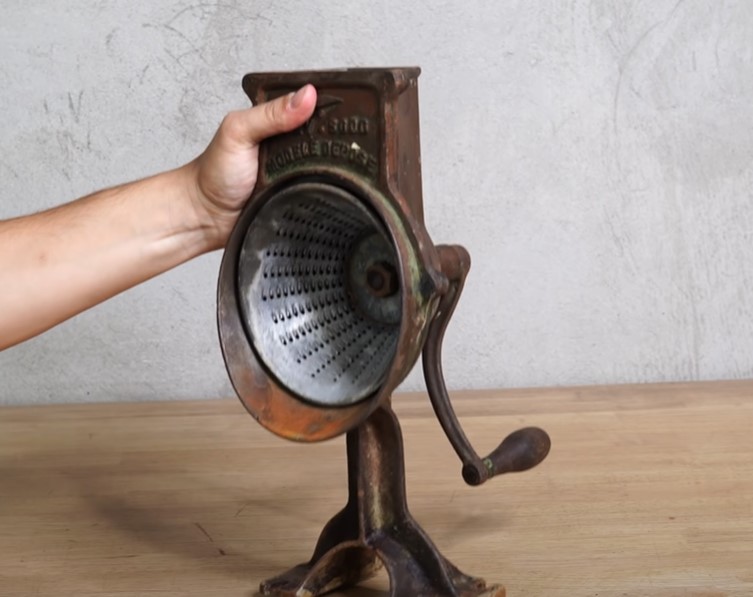
Cheese Grater Mill
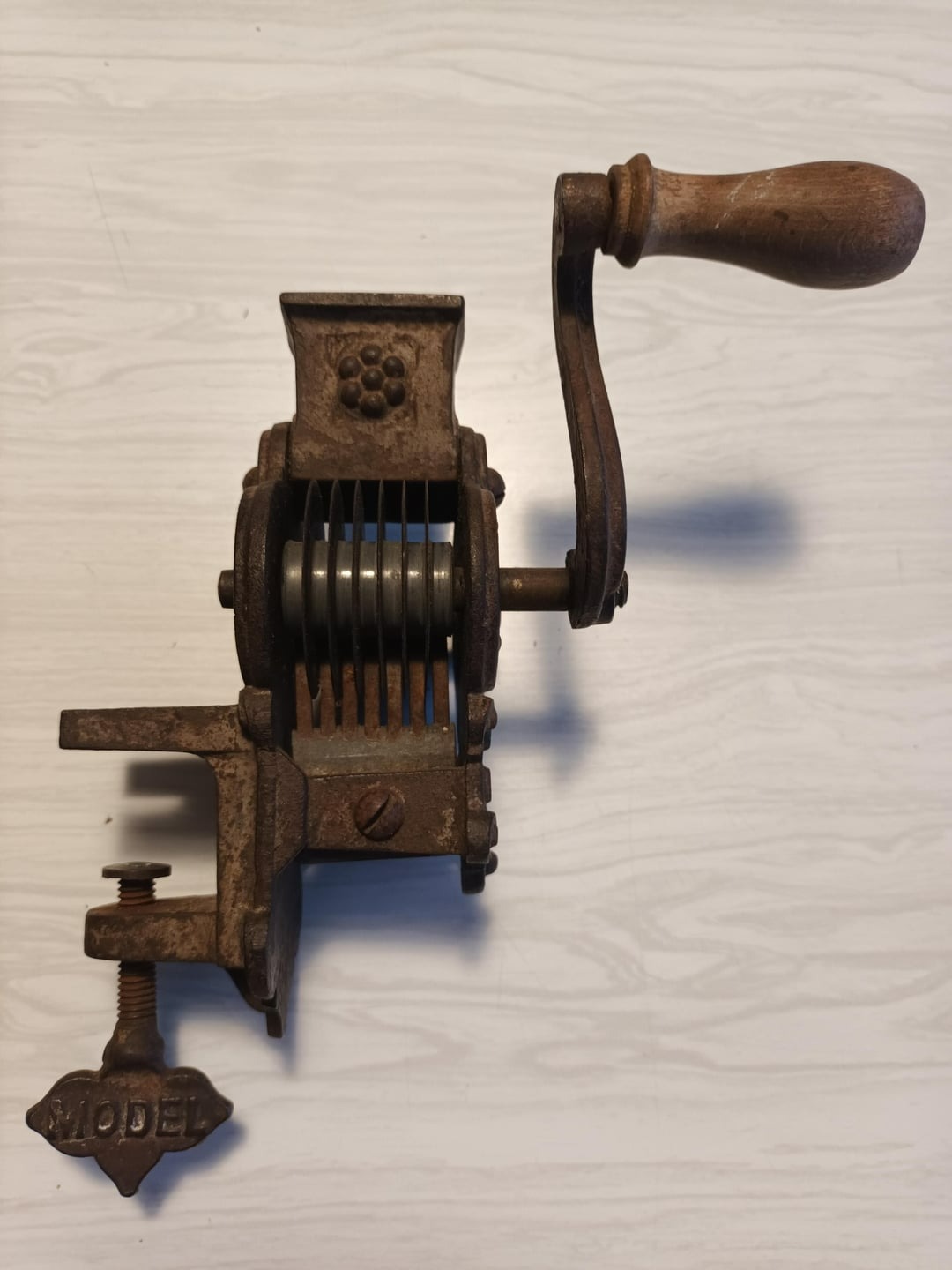
It’s almost unimaginable that nearly every household once owned one of these. At first glance, it’s challenging to identify this vintage kitchen gadget. Yet, it’s a gem – a cheese grater. While pre-grated cheese is prevalent today, there was a time when this wasn’t the case. Just imagine the freshness of the cheese grated right before use. It’s akin to the disparity between pre-ground coffee and freshly ground beans.
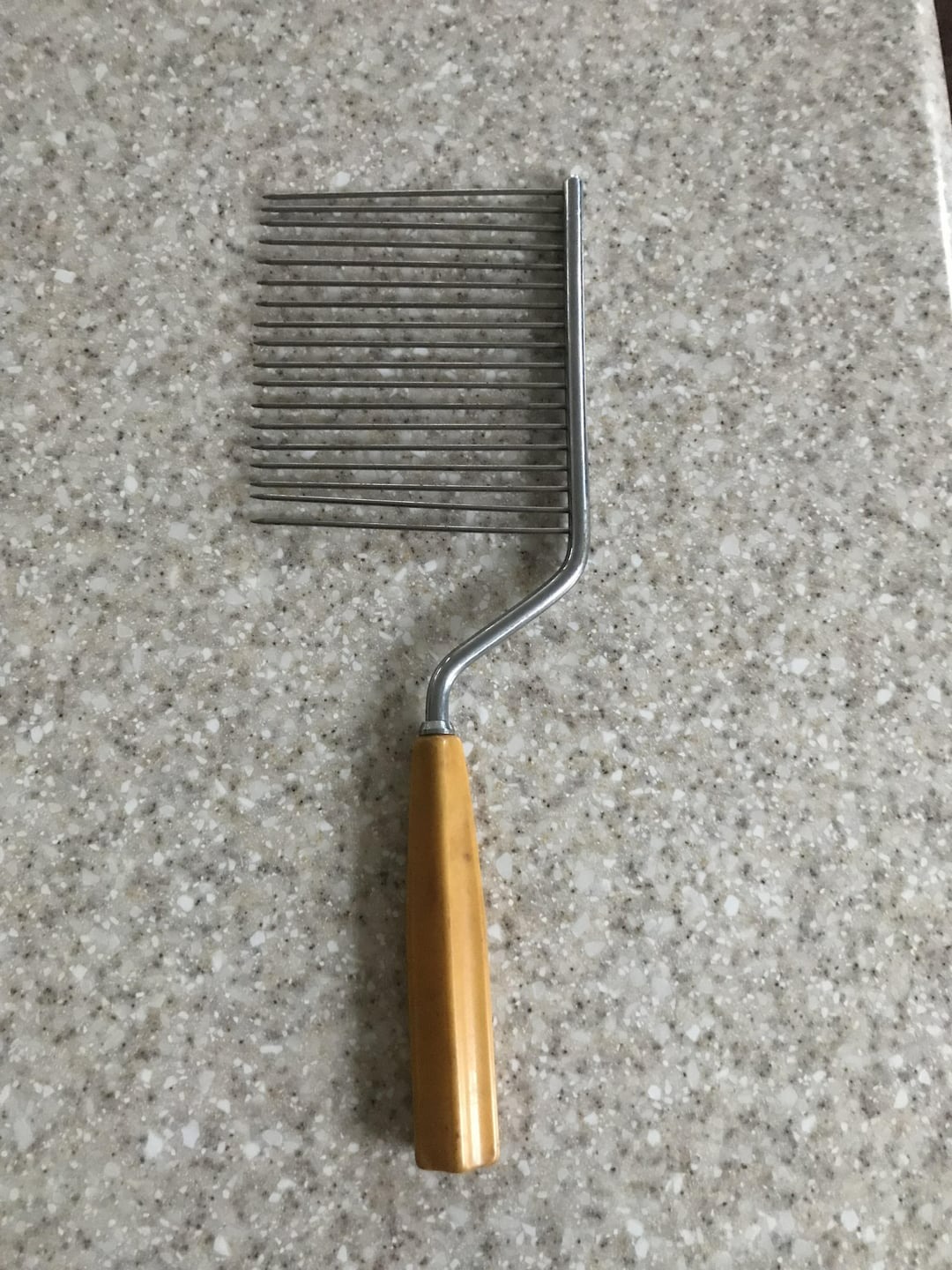
A Comb to Cut Angel Food Cake
You might mistake this for an elongated hair comb at first glance. However, it serves a unique purpose in the kitchen, not the bedroom. Specifically crafted for cutting angel food cake, this tool might seem simple, yet it’s indispensable. While it might appear trivial to have a dedicated utensil for such a task, those who’ve savored the delicate texture of angel food cake understand the necessity for a tool that preserves its lightness and shape without flattening it.
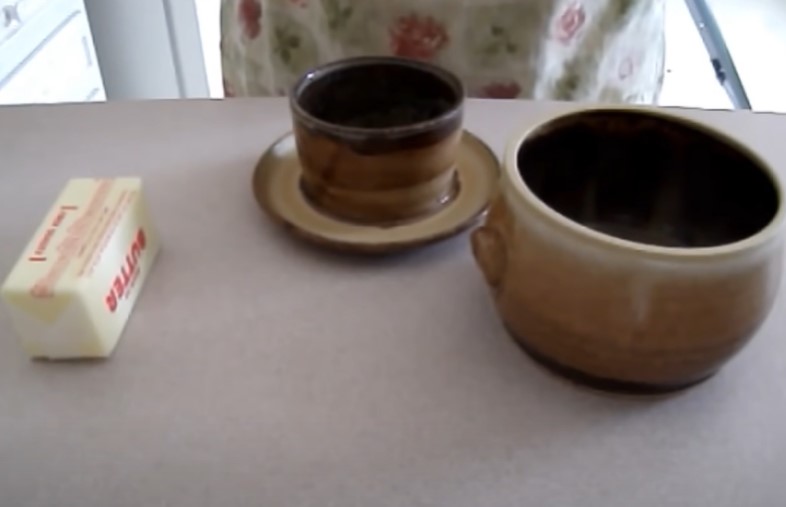
Have Room Temperature Butter Available at All Times
This vintage kitchen gadget is sorely missed and deserves a comeback in today’s market. Imagine having perfectly spreadable, room-temperature butter whenever you want. No more waiting for it to soften slightly—it’s always ready to use. Leave it to the French to devise such a solution. These ingenious contraptions didn’t even require refrigeration; they maintained the butter at the ideal temperature using a simple water-based technology at the bottom of the container.
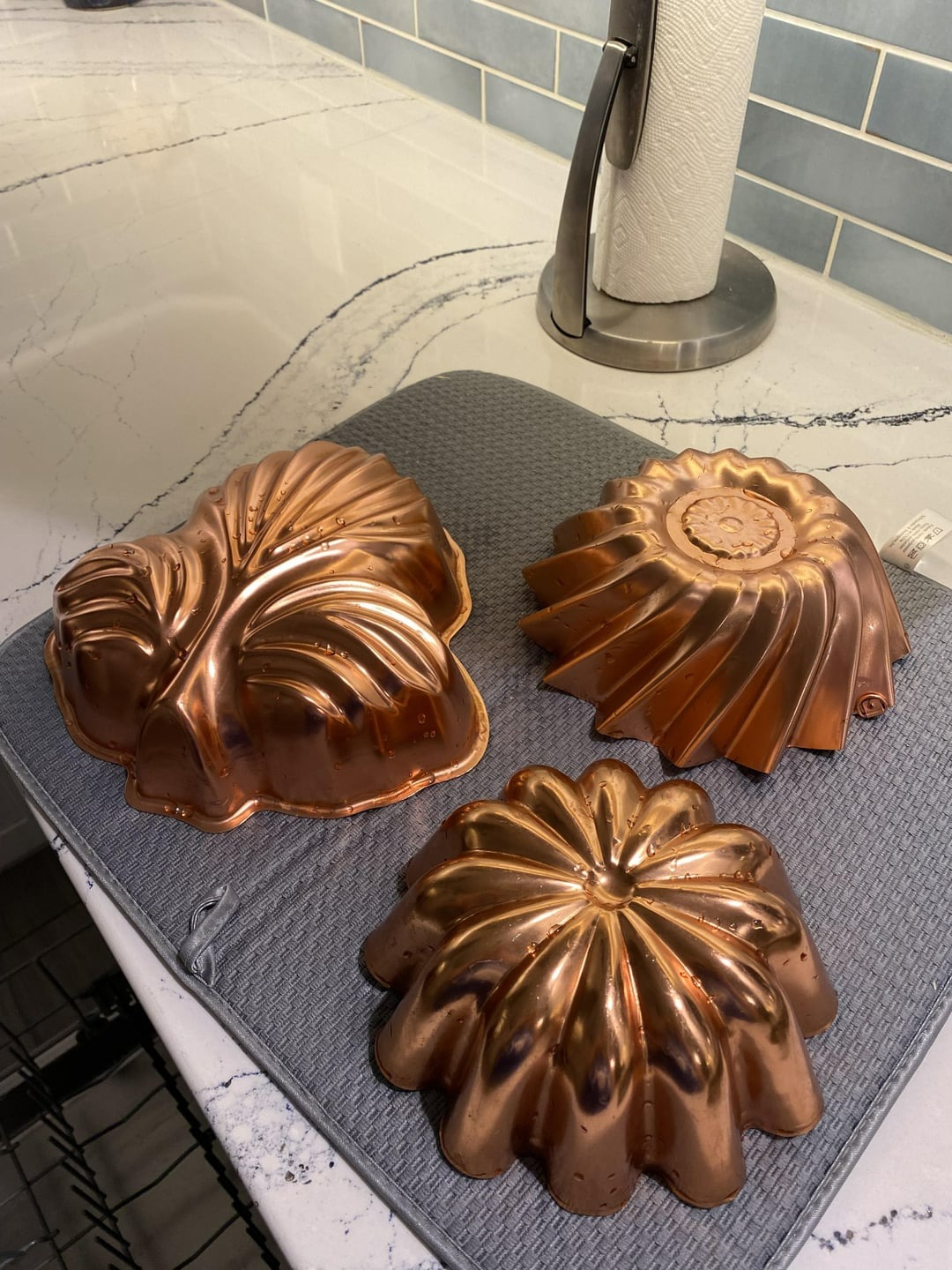
Vintage kitchen tools seem to have had a solution for every imaginable task, surpassing even today’s array of gadgets. Special molds with intricate floral and ripple designs were crafted specifically for Jell-O. These molds came in various sizes, indicating the significance of Jell-O in vintage households. It’s hard to fathom now, given the decline in Jell-O consumption, but these molds were once a staple in kitchens, reflecting the culinary preferences of the time.
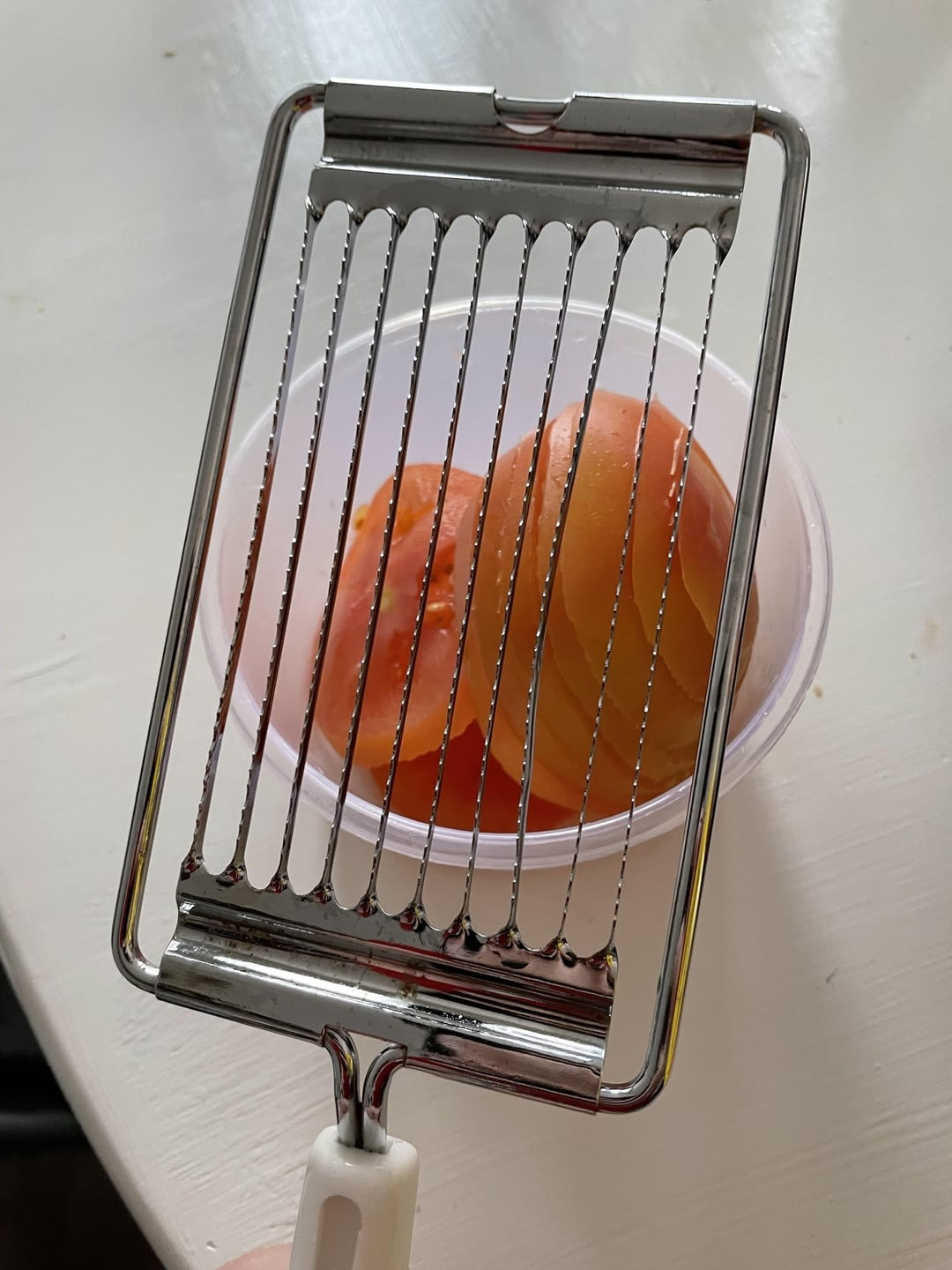
One vintage tool that didn’t gain much popularity in its time, but many of us wish it had, is the tomato slicer. Cutting tomatoes can be a hassle, often serving as a test for the sharpness of a knife. Before the advent of electric choppers, this clever gadget was invented. However, it’s not among the most effective tools on the list. Instead of cleanly slicing through the tomato, it often turned it into mush. Nonetheless, if you enjoy making dishes like shakshuka or homemade tomato sauce, this could still be the perfect tool for you!
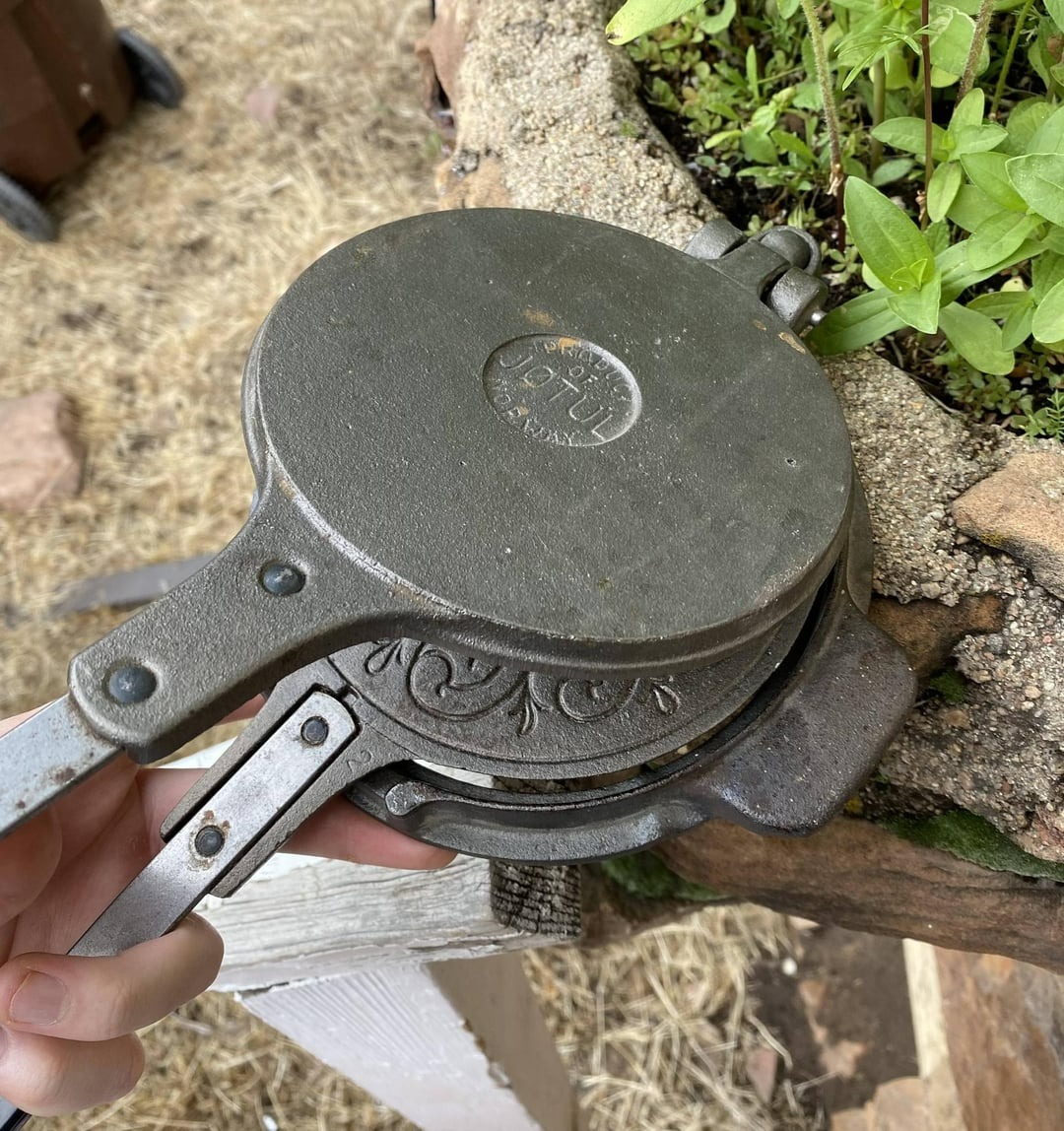
If this weren’t a list of kitchen gadgets, your initial guess might lean towards a fly swatter or a tool for tending a fireplace. However, considering the context, your assumption would need a shift. Surprisingly, this item is actually a cookie mold, probably the last thing you’d expect. It provided an effortless method for crafting delicious cookies that were not only sizable but also perfectly round. Despite their peculiar appearance, they were undoubtedly a win-win for cookie enthusiasts!
Why Stop at Cookie Molds? Your Butter Can Look Gorgeous, Too
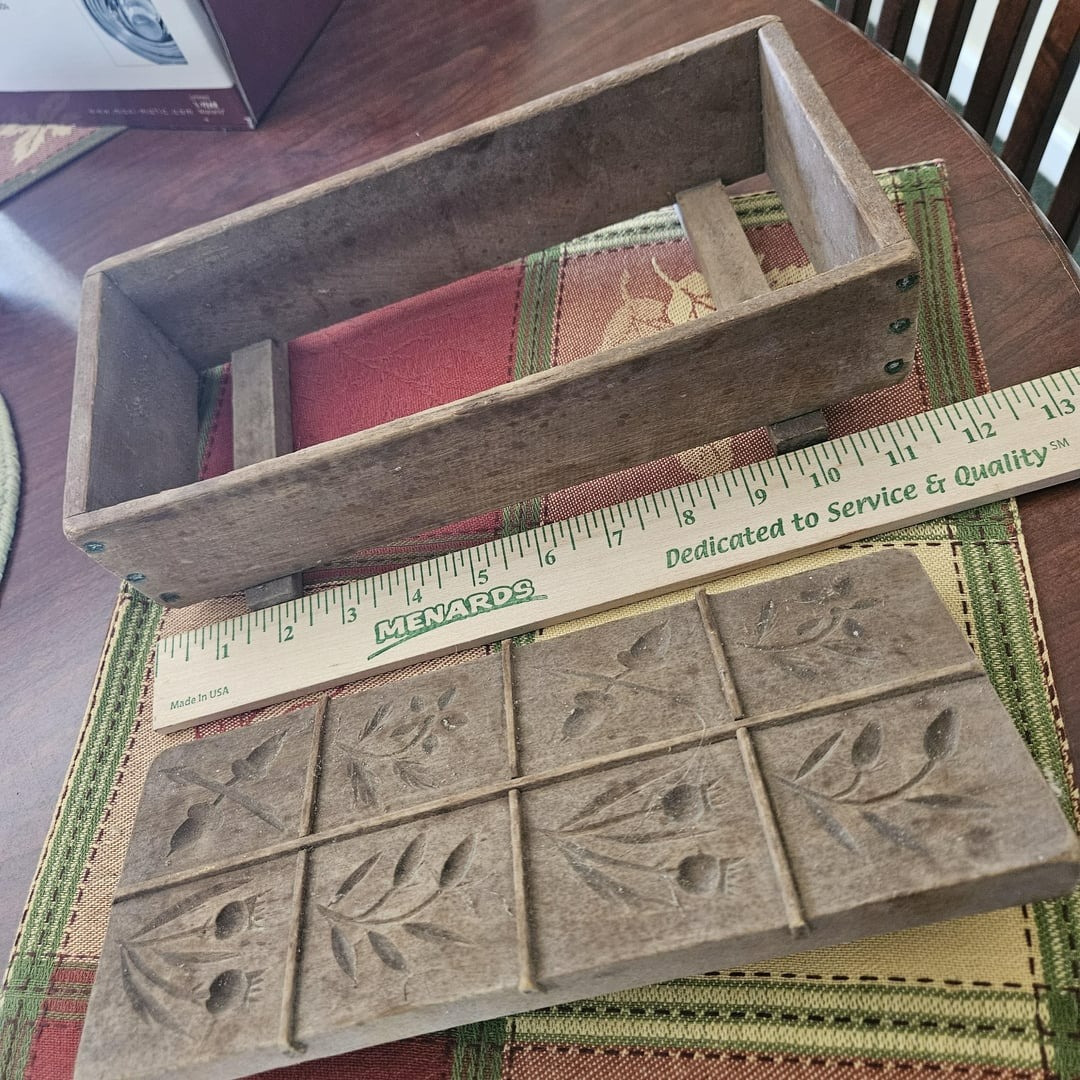
At first glance, these uniquely shaped gadgets may appear to be cookie cutters. Surprisingly, they’re actually butter shapers. While this concept isn’t commonly seen in the modern world, it’s one that deserves a comeback. Imagine how delightful it would be to have butter in charming shapes like these.
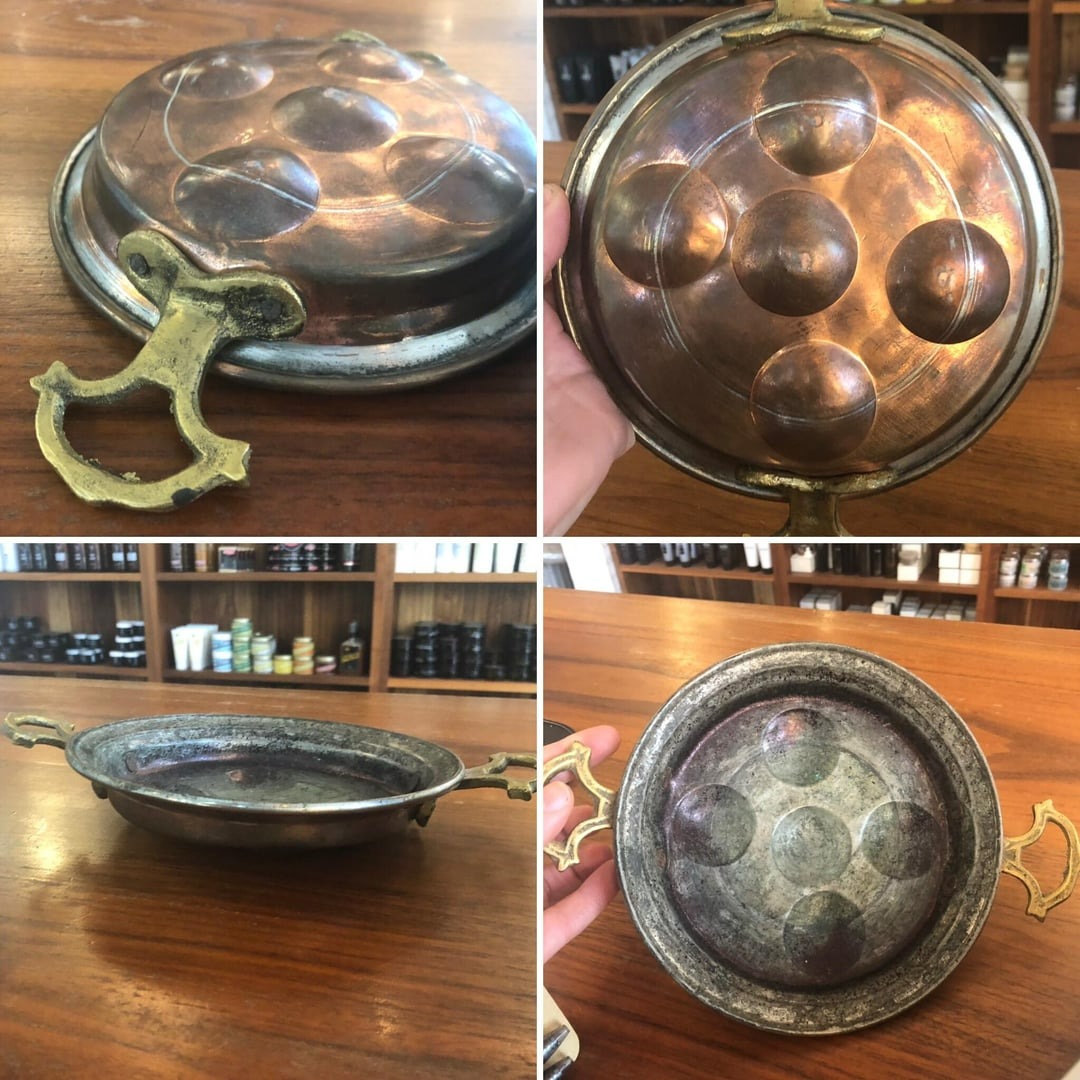
At first glance, deciphering the purpose of this item might be puzzling. Is it for crafting chocolates into precise shapes? Perhaps it’s for poaching multiple eggs simultaneously? Neither guess seems quite right until you learn that it’s an escargot pan. Specifically designed for cooking six escargots perfectly and all at once. While you may not deem this pan a particularly essential tool, especially outside of France, it’s important to note that escargot is a popular dish in many regions worldwide.
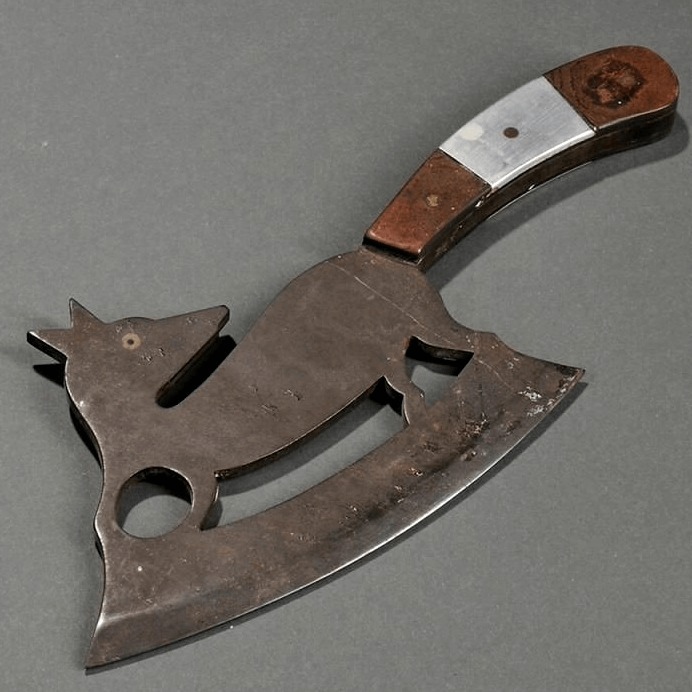
While this daunting blade might appear misplaced in a kitchen, don’t let its imposing size fool you. It’s actually designed for efficiently chopping herbs in one swift motion. Though available in various shapes and sizes, this particular design is a commonly used and effective tool for the task.
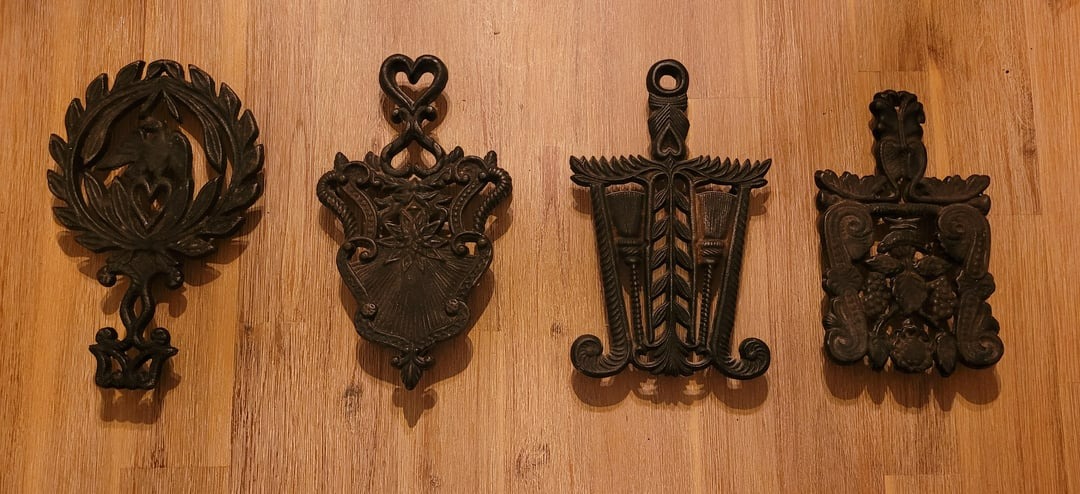
Iron trivets are becoming less common, while trivets themselves remain essential kitchen tools. Most people use trivets to protect their tables and countertops from hot pots and pans. While traditional trivets were often made of iron, nowadays, you’re more likely to find them in lighter materials like clay, ceramic, or even fabric. The heavier weight of iron trivets is likely a major reason for their decline in popularity.
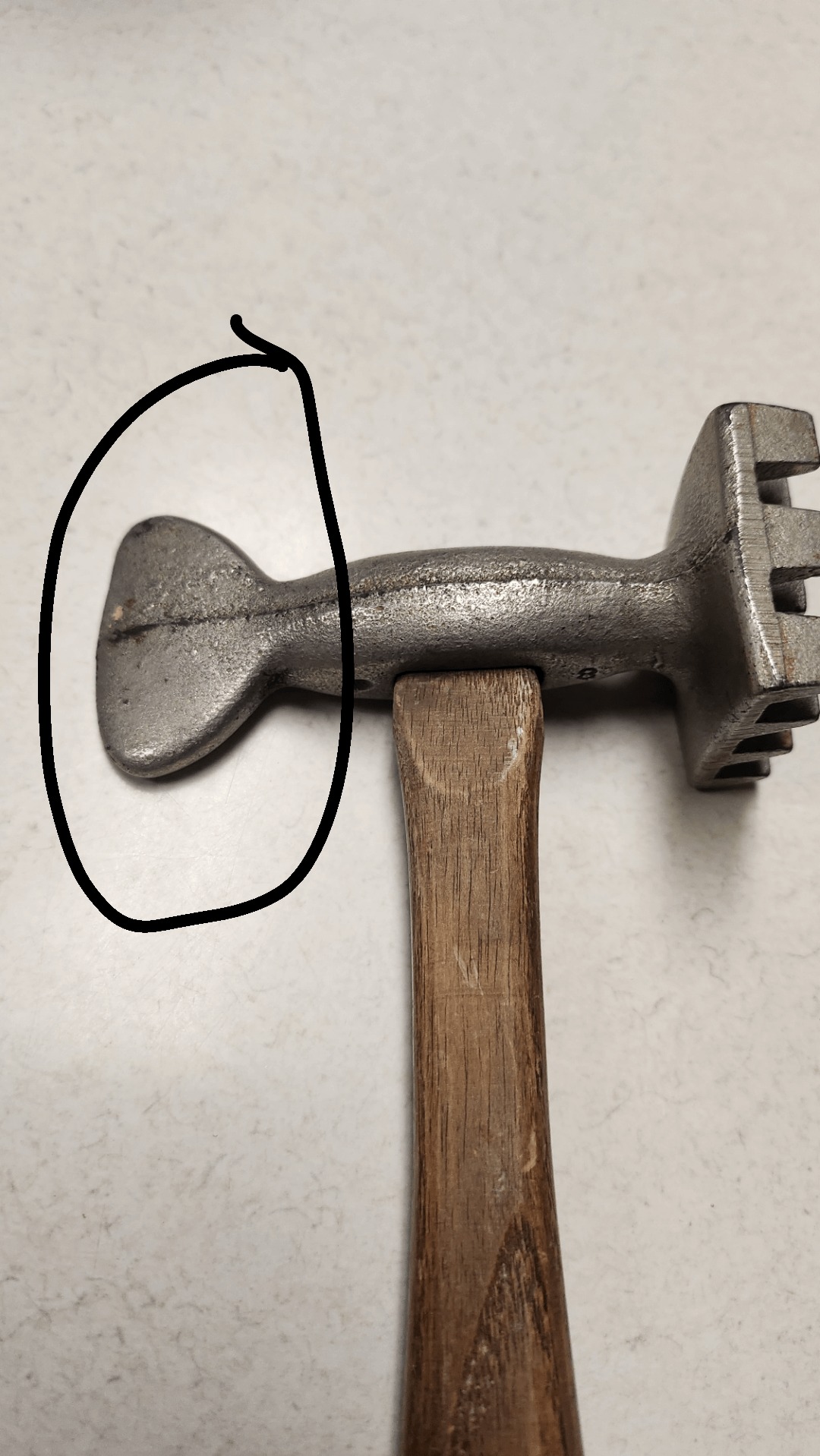
Encountering this item alone in someone’s home might raise an eyebrow. Its appearance is reminiscent of a medieval torture device! But fear not, this seemingly sinister tool has a surprisingly benign purpose. It’s a meat tenderizer, used to make meat cook more evenly and absorb marinades better. While following your grandparents’ footsteps and owning one isn’t a bad idea, keeping it out of sight might prevent some kitchen visitors from getting spooked.
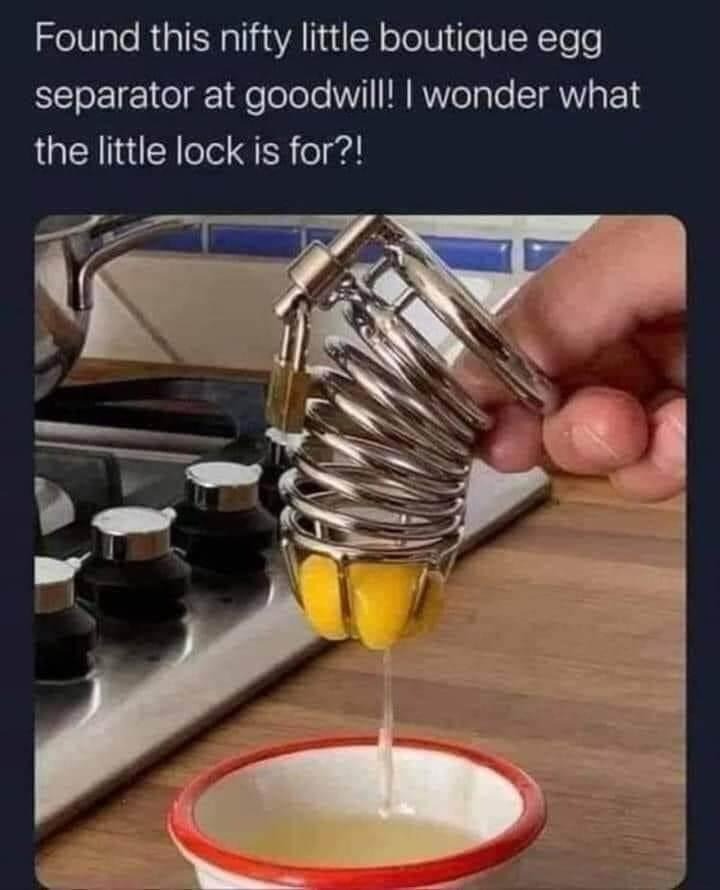
Calling all angel food cake, quiche, and souffle enthusiasts! This curious kitchen gadget might appear unremarkable, like a simple saucer. But ask your grandma, and she’ll instantly recognize this “strange vintage utensil” – an egg separator. It simplifies separating egg yolks from whites, a task often done with hands or eggshells. Let’s be honest, this little tool is a clear winner in terms of convenience and mess-free separation.
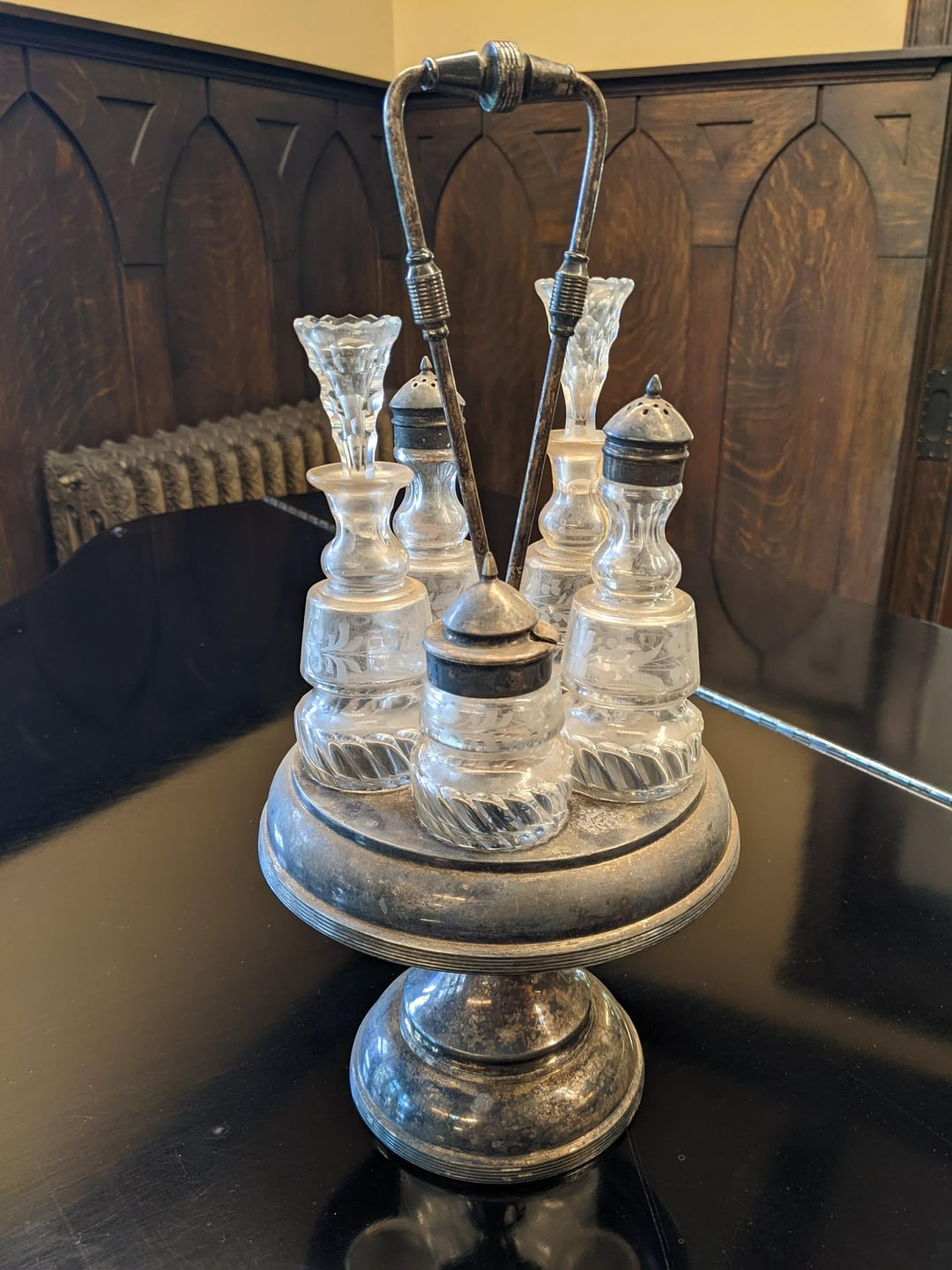
This forgotten gem, a vintage multi-dip server, is perfect for your needs. Its robust build, evident in the large container and sturdy serving spoons, speaks volumes about its quality. But the real highlight? A built-in drip tray catches any spills, ensuring your tablecloth stays pristine. Forget juggling multiple bottles – this all-in-one marvel offers effortless serving of dips and sauces, keeping your guests happy and your table mess-free. So why is this ingenious tool no longer readily available? That’s a mystery worth pondering – but one thing’s for sure, it deserves a comeback!
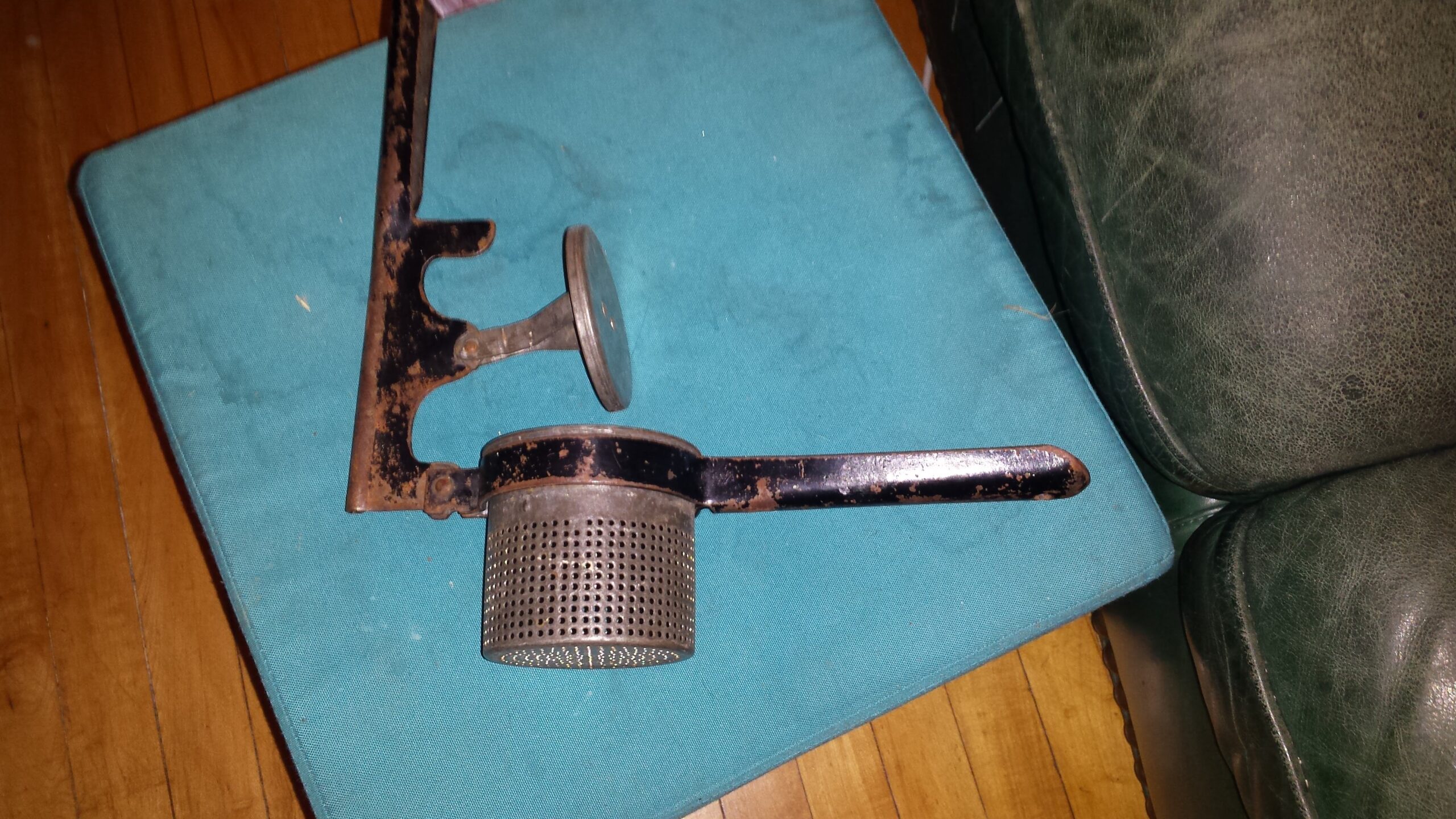
Calling all mashed potato purists! This isn’t your grandma’s potato masher – it’s a potato ricer, the secret weapon for achieving the smoothest, dreamiest mashed potatoes ever. Ditch the arm workout and endless mashing – simply push cooked potatoes through this magical tool for flawless, lump-free perfection. While electric mixers reign supreme today, the ricer was the undisputed champion in its time, delivering superior texture and potato bliss.
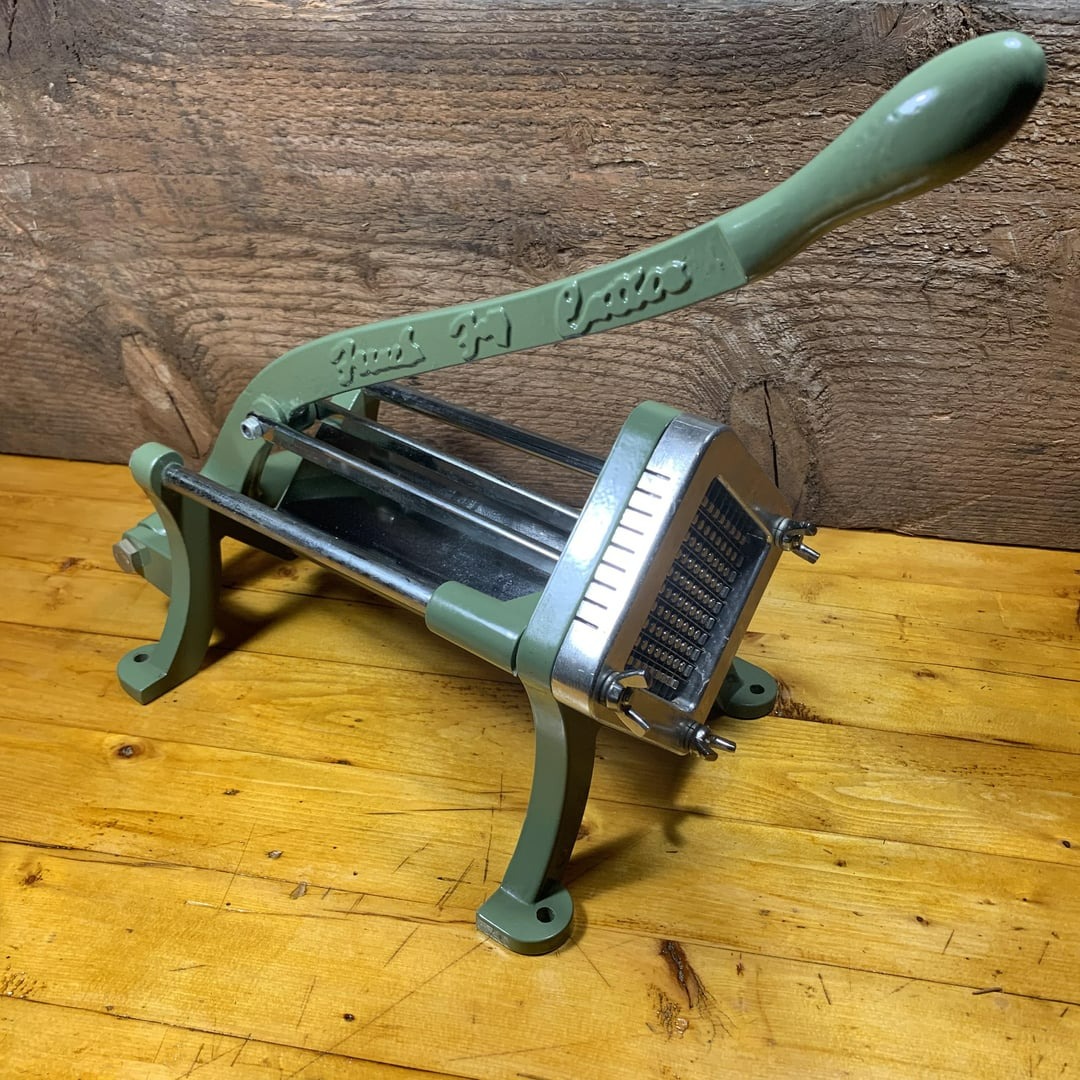
If you crave perfectly uniform, restaurant-quality French fries at home, then hunting down a vintage French fry cutter like this one might be well worth your effort. While these handy tools are no longer commonly produced or sold in most stores, their efficiency and ease of use make them a compelling choice for dedicated fry makers. Imagine the time and effort saved! No more meticulously aligning potatoes and wielding a knife – simply load the potato, push down the handle, and voila, perfectly shaped fries ready for the fryer.
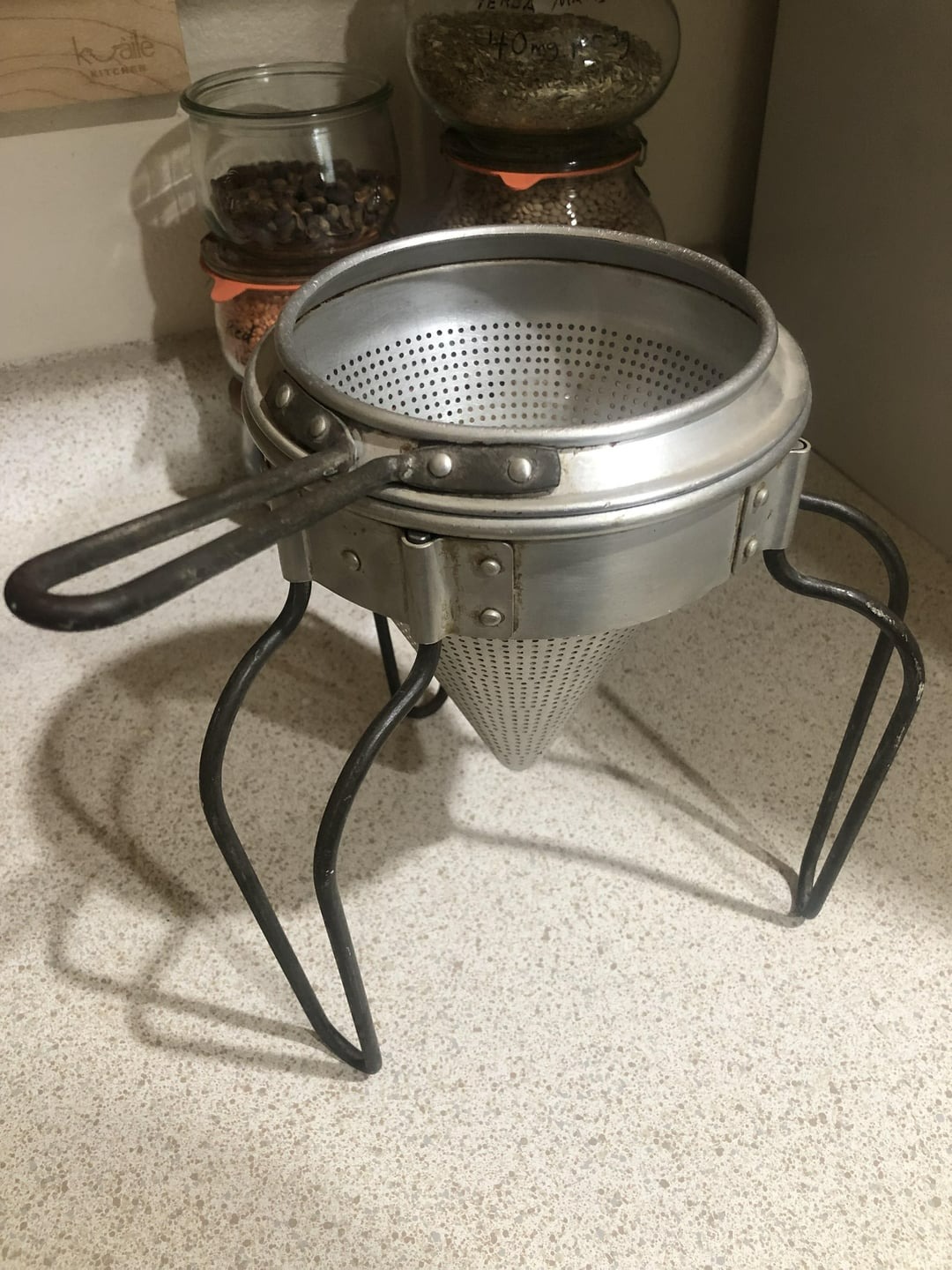
We take our electric juicers for granted these days! Imagine a time when whipping up a refreshing glass of juice required a whole process and a rather peculiar contraption like this one.
This vintage manual juicer, with its strange appearance, might leave you scratching your head without an explanation. Back in the day, however, it was a household essential. The juice would be squeezed out by hand, with the sieve separating the pulp and seeds from the precious liquid gold. While undeniably more laborious than today’s juicers, this tool held the key to unlocking fresh juices and purees.
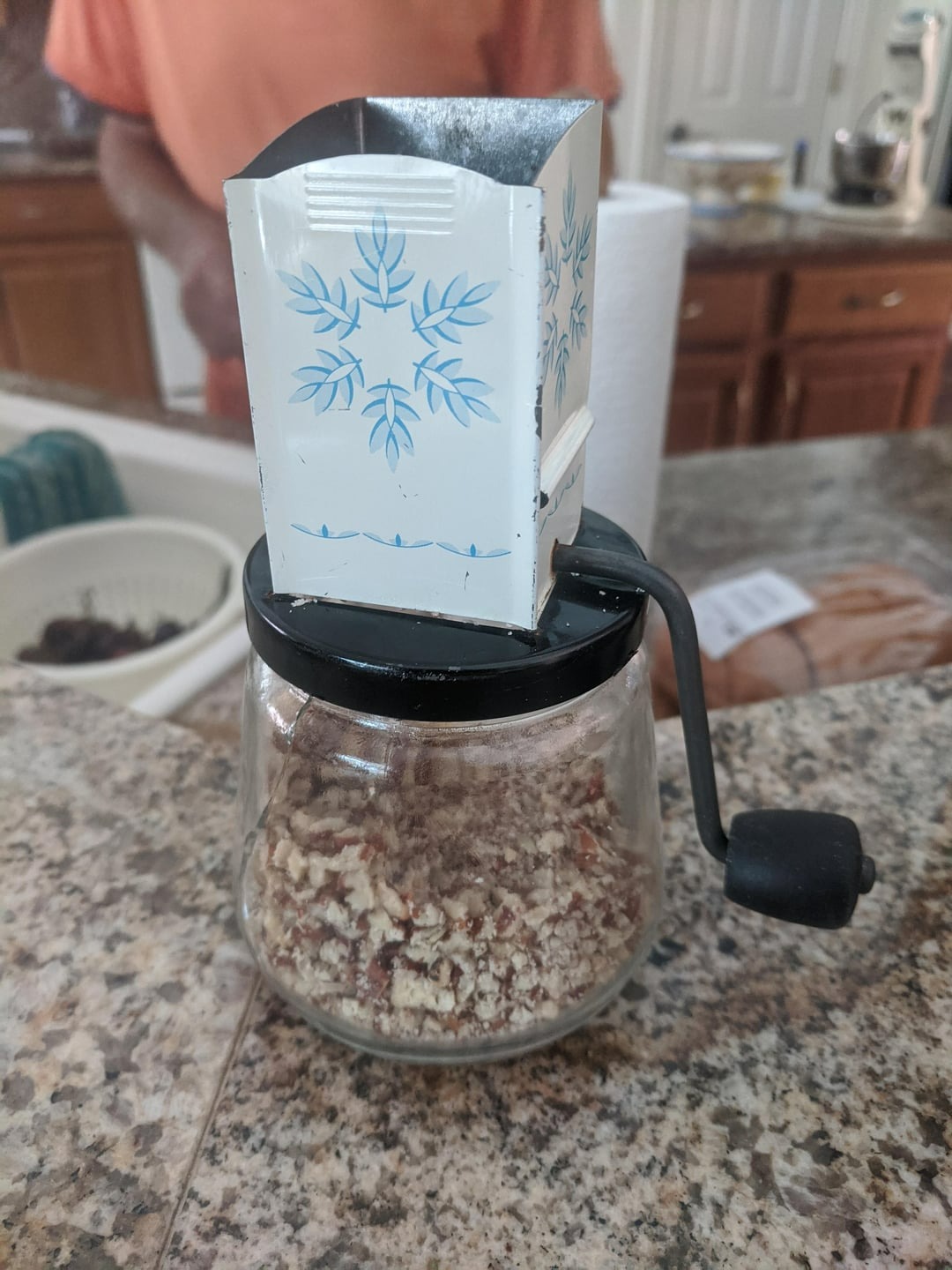
The convenience offered by modern appliances can make it hard to imagine life without them. Take, for instance, the vintage nut chopper and grinder. While chopping nuts with a knife and cutting board might seem simple enough, this dedicated tool offered a faster and easier solution for nut enthusiasts of the past.
These handy gadgets, once commonly found in “vintage kitchens”, were a testament to the love of nuts and the desire for efficient food preparation. They were not necessarily a necessity for everyone, but for those who frequently incorporated nuts into their cooking or enjoyed them as a snack, a dedicated nut chopper offered convenience and saved time.
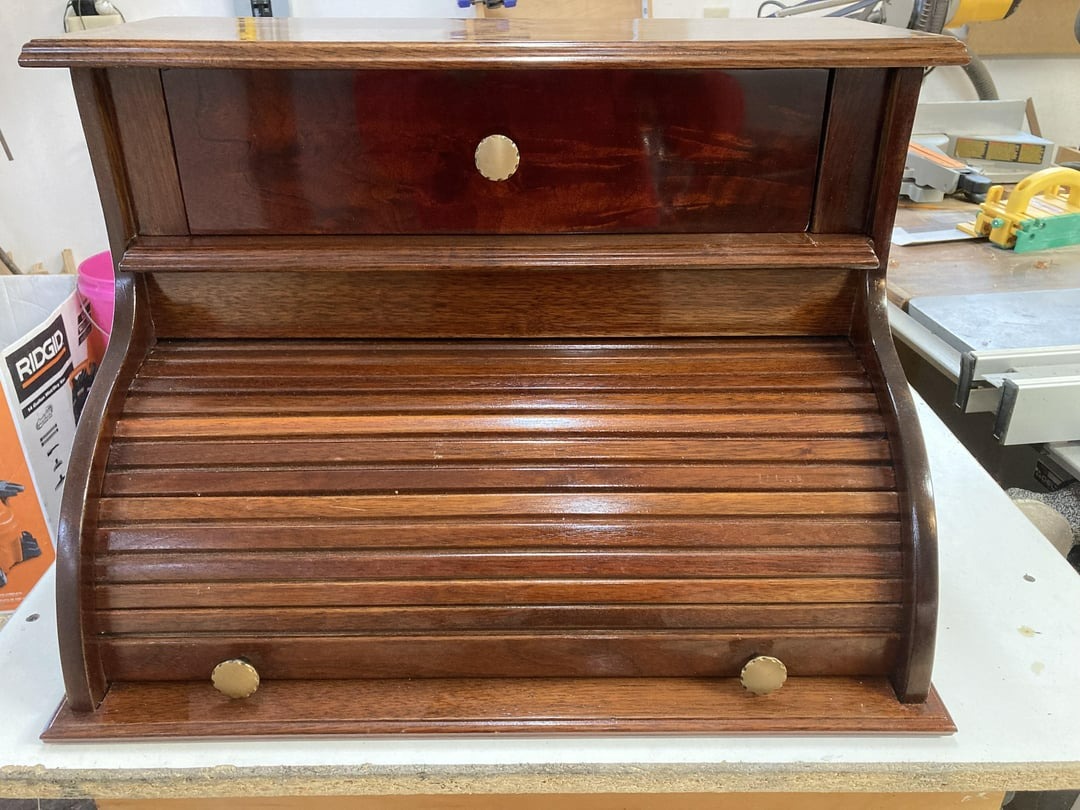
Though bread boxes may appear outdated, they offer several benefits: extended bread freshness, protection from contaminants, and even a touch of kitchen charm. While counter space is a concern, their various sizes and potential to save money on groceries make them worth considering. Ultimately, the decision depends on your needs and preferences.
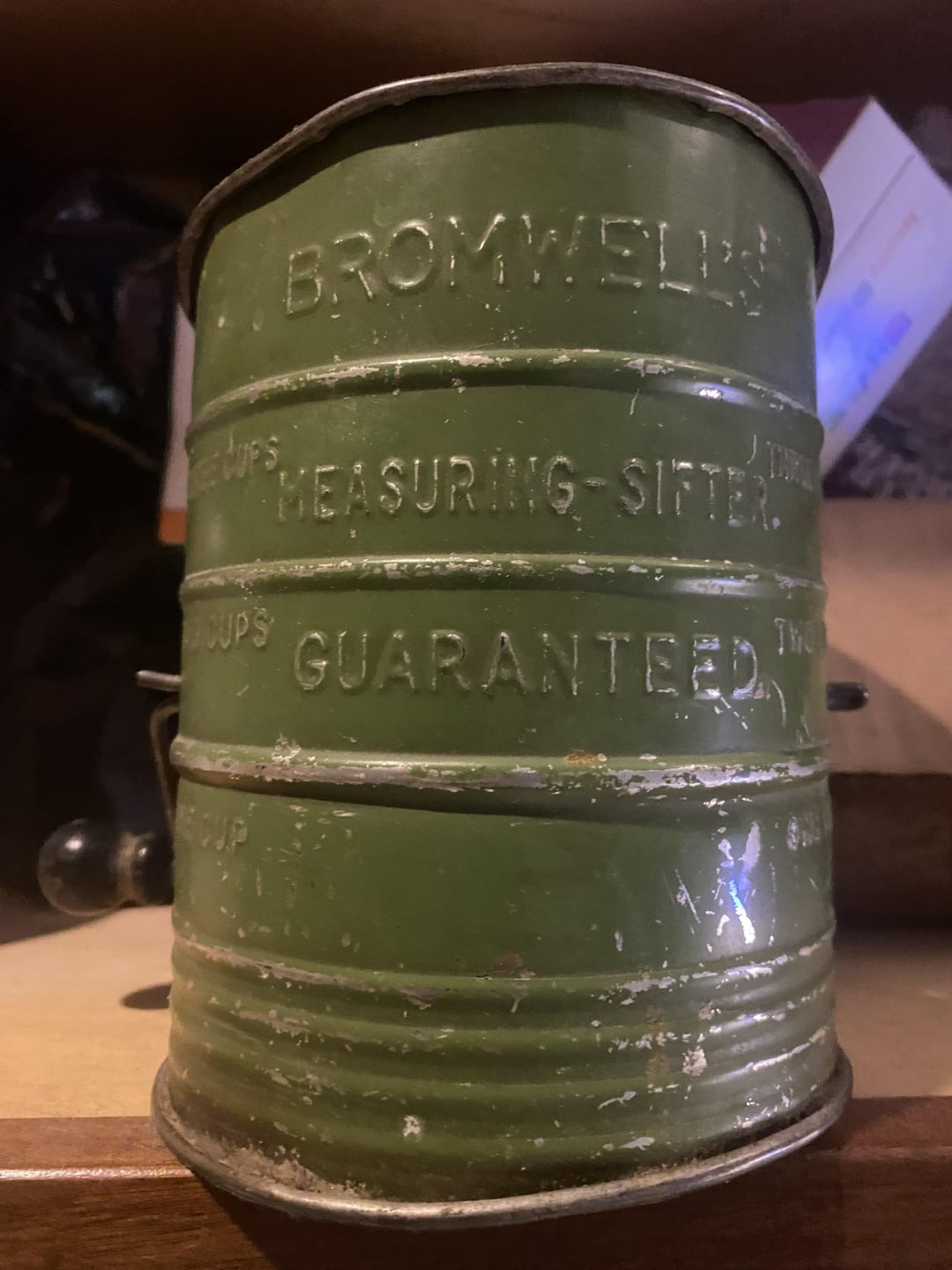
Calling all bakers! Remember the “sift before you mix” rule? In the “vintage era,” skipping this step was unthinkable. They didn’t just use any sieve – they had dedicated flour sifters, complete with cranks and beautiful designs! Talk about dedication (and aesthetics) in the kitchen!
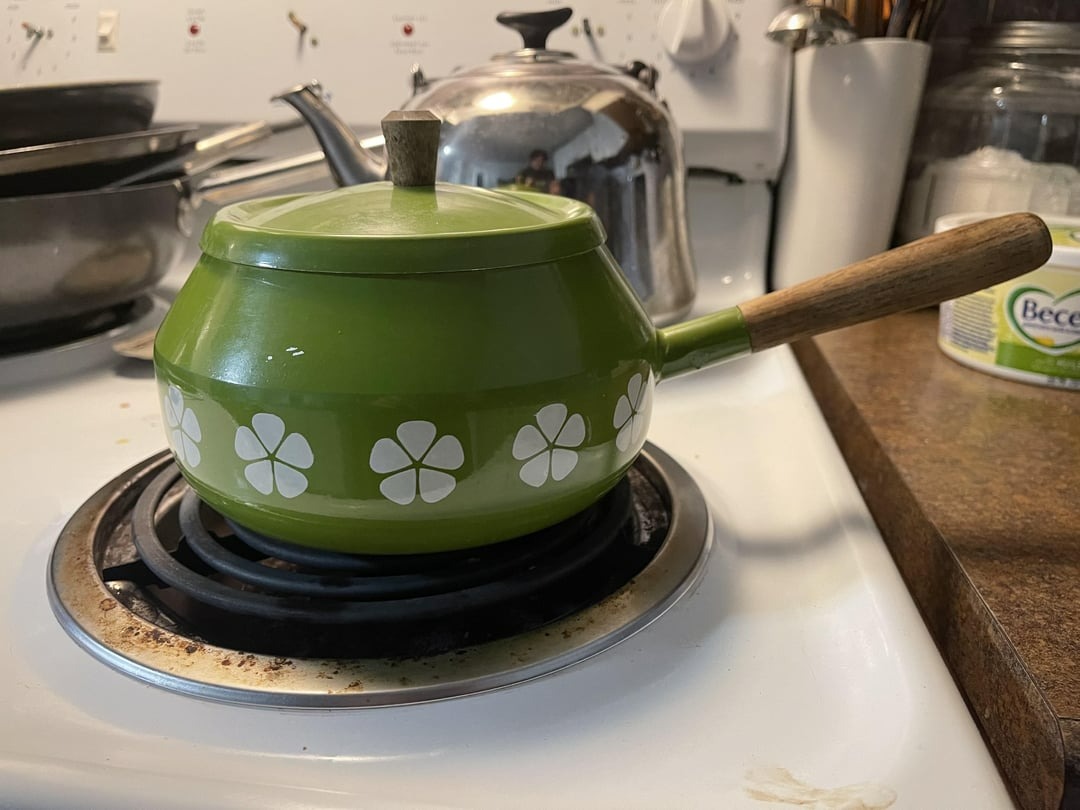
Craving a fun and interactive dining experience? Look no further than portable fondue makers! These compact sets allow you to enjoy the deliciousness of melted chocolate or cheese at home, on camping trips, or even at a friend’s place.
Each set typically comes with a pot, serving plates, and fondue forks, making it perfect for creating a delightful miniature fondue party. Dip your favorite fruits, bread, or other treats into the melty goodness and savor every bite!
While not essential for everyone, green bean slicers offer convenience for those who regularly incorporate green beans into their diet. Slicing beans can be a time-consuming and tedious task, especially when preparing larger quantities for a meal. This tool streamlines the process, saving precious time in the kitchen. If you know someone who frequently enjoys green beans and appreciates kitchen gadgets, a green bean slicer could be a thoughtful and practical gift.
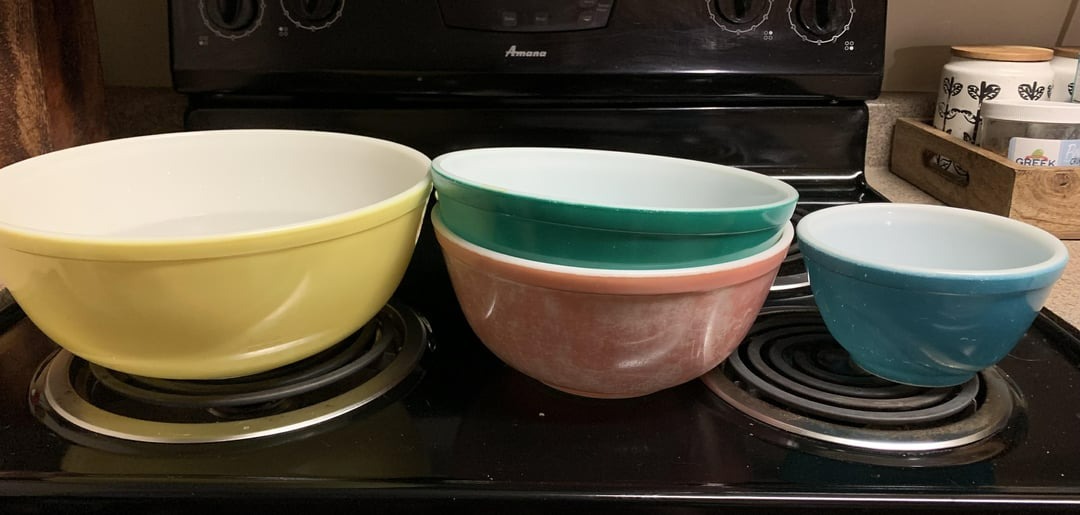
Pyrex has become synonymous with practical, stackable glass containers for modern kitchens. While this reputation is well-deserved, it overlooks a fascinating chapter in Pyrex’s history.
The original Pyrex, popularized in the 1960s, boasted vibrant aesthetics far beyond the plain glass we see today. These vintage Pyrex pieces were often adorned with charming floral patterns and delightful designs, transforming them into more than just functional kitchenware. While many may lament the shift towards simpler designs, there’s no denying the unique charm and nostalgic appeal of these vintage treasures.
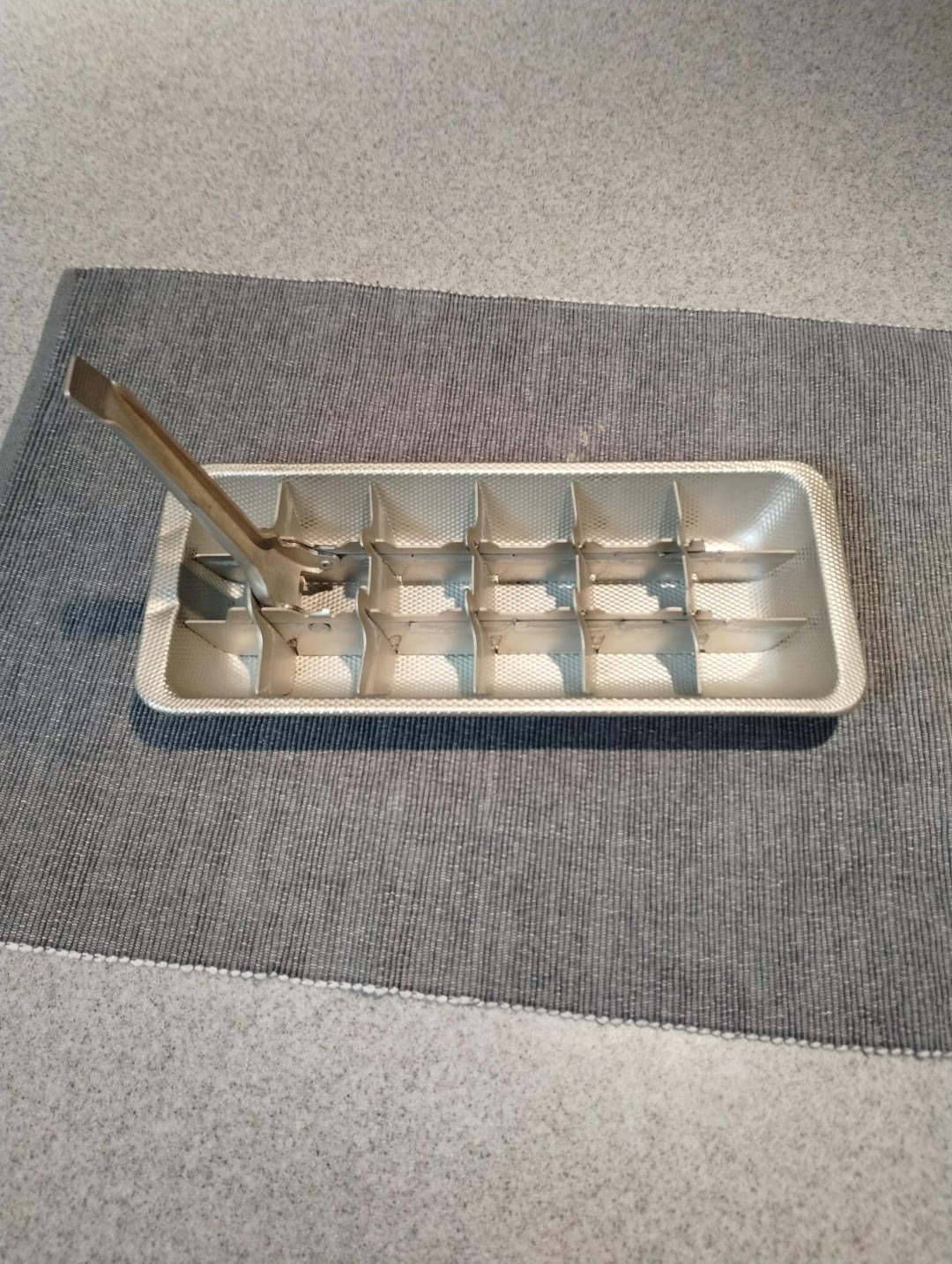
Though fridges make standalone ice trays mostly obsolete, these metal ones have a lever for easy removal and freeze ice faster than plastic, potentially justifying their continued presence in some kitchens.
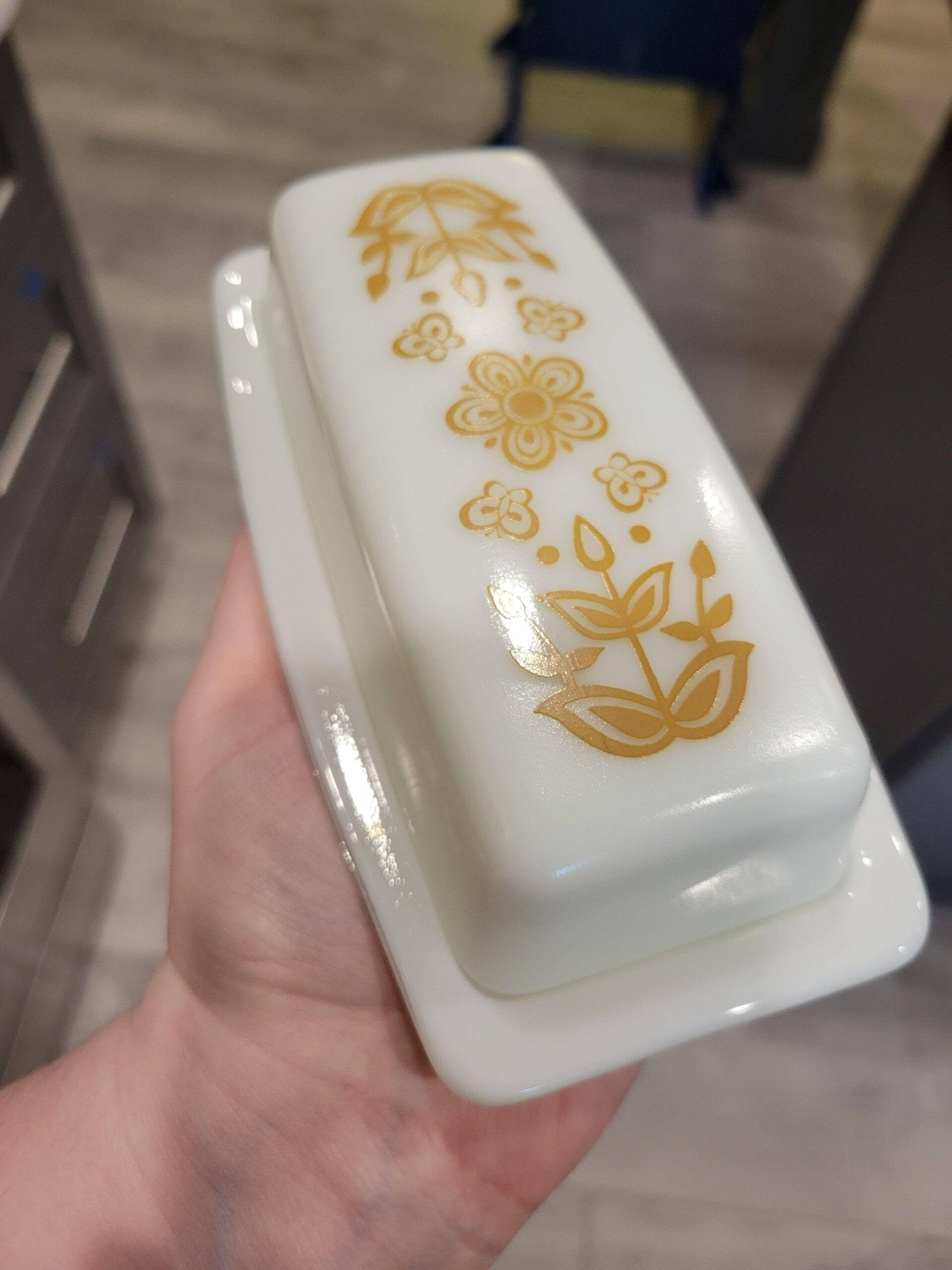
Vintage butter dishes, like many other items, showcased a focus on aesthetics in the past, unlike the practical approach prevalent today. These elaborately decorated dishes were meant to be displayed, enhancing the appreciation of butter and highlighting the effort put into presentation. While functionality reigns supreme today, these vintage pieces serve as a reminder of a bygone era where beauty and delight were integral parts of everyday life.
Before the convenience of food processors, kitchens relied on manual tools like this one. This “contraption,” as you call it, required significant effort to grind ingredients, especially tougher ones. Thankfully, modern food processors have replaced this laborious task with a simple push of a button!
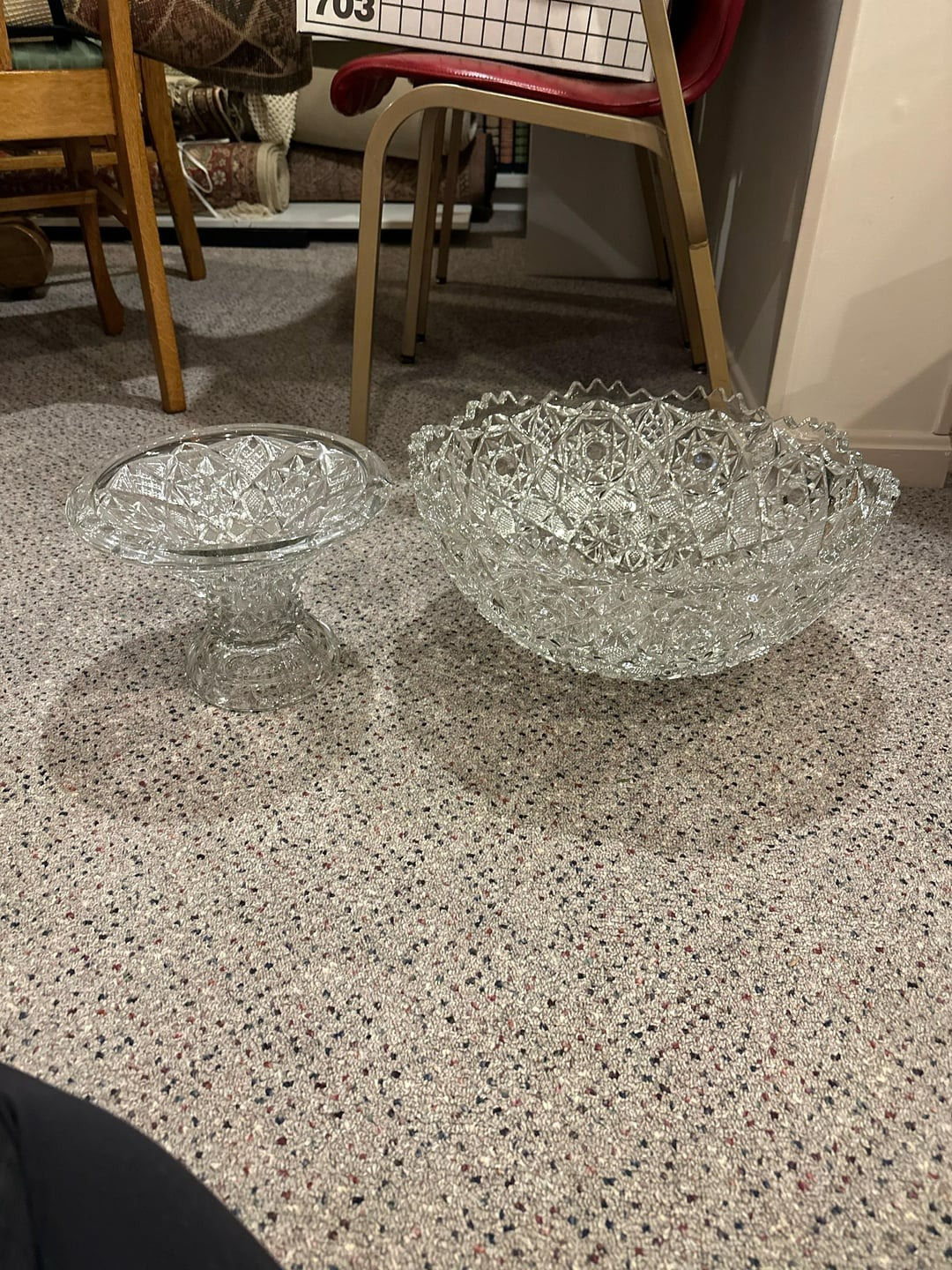
In the past, parties hinged on the presence of a stunning punch bowl and its matching set. Punch simply tasted better from these elaborate vessels, elevating any gathering. This tradition of beautifully presented punch has faded, but its memory lingers for those who experienced it.
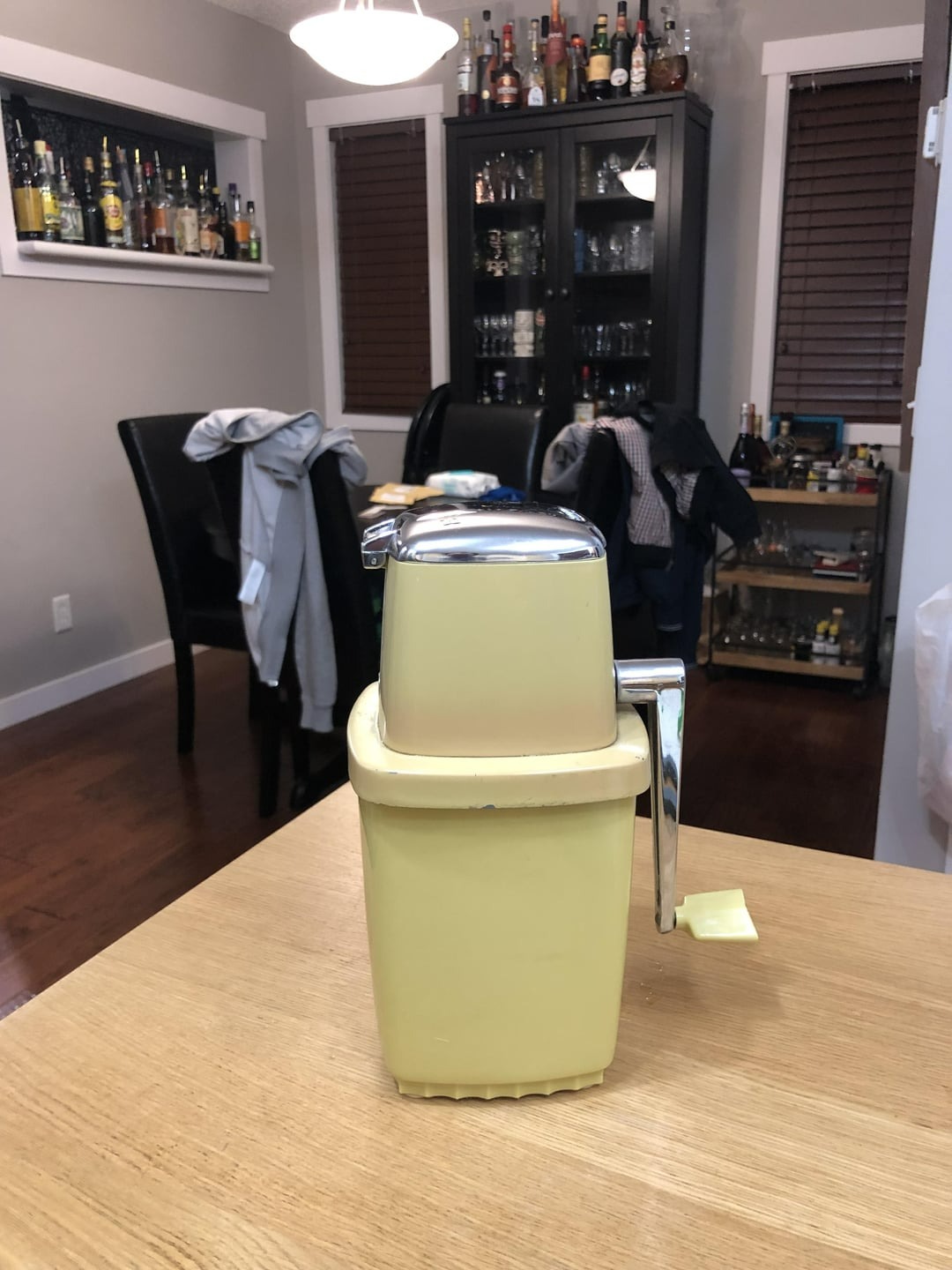
The classic snow cone, a refreshing treat of shaved ice topped with syrup, has delighted people for generations. Traditionally, winter snow was used, flavored with syrups like grenadine. But in the 1960s, a game-changer arrived: the home ice shaver. This simple tool allowed families to enjoy snow cones any time, year-round, bringing a taste of summer even in the hottest months.
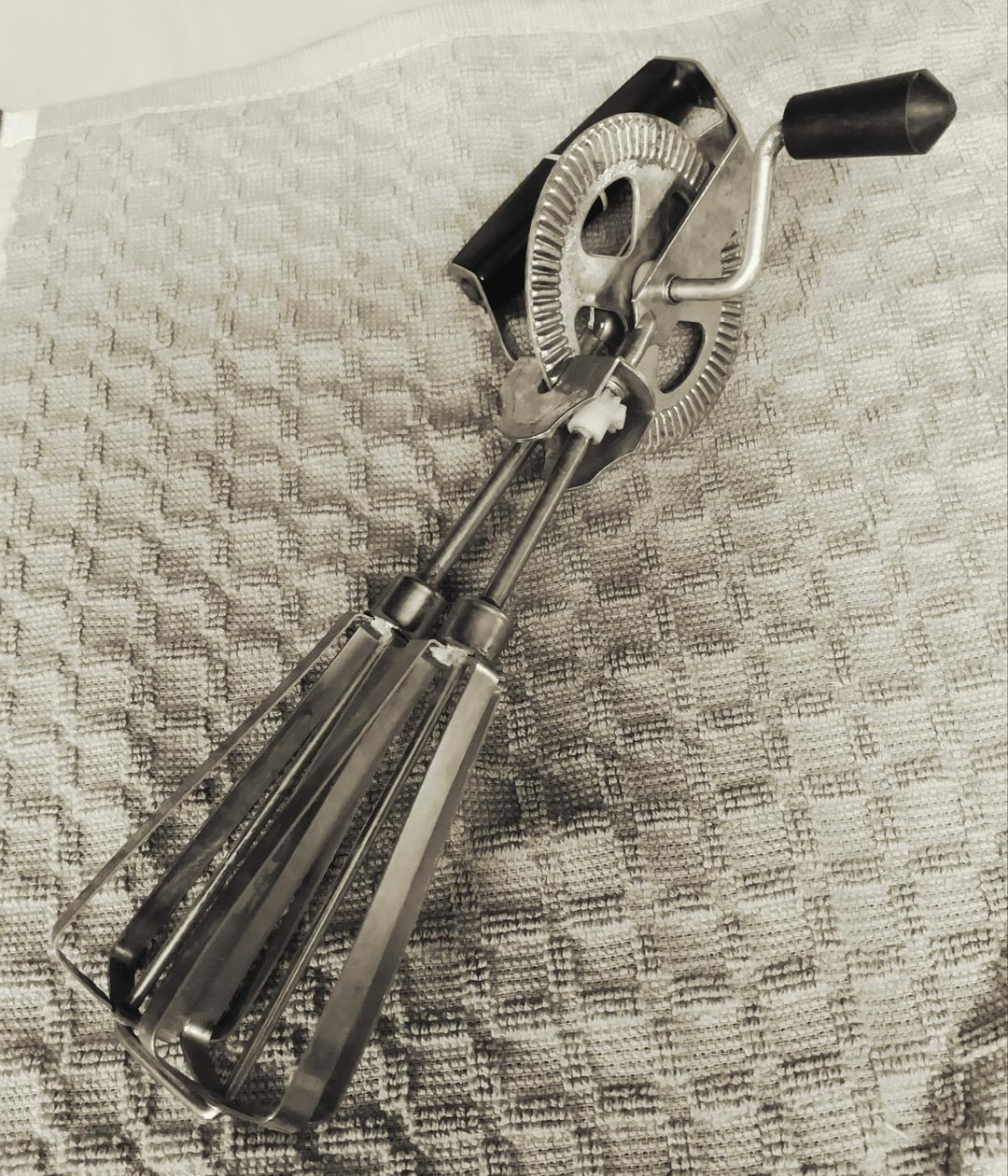
While the term “hand mixer” persists, the evolution from manual crank to electric motor is undeniable. Cranking these vintage hand mixers required significant effort for tasks like whipping cream or mashing potatoes. Thankfully, the modern electric mixer offers a much easier and efficient solution, even if it means sacrificing a potential bicep workout.
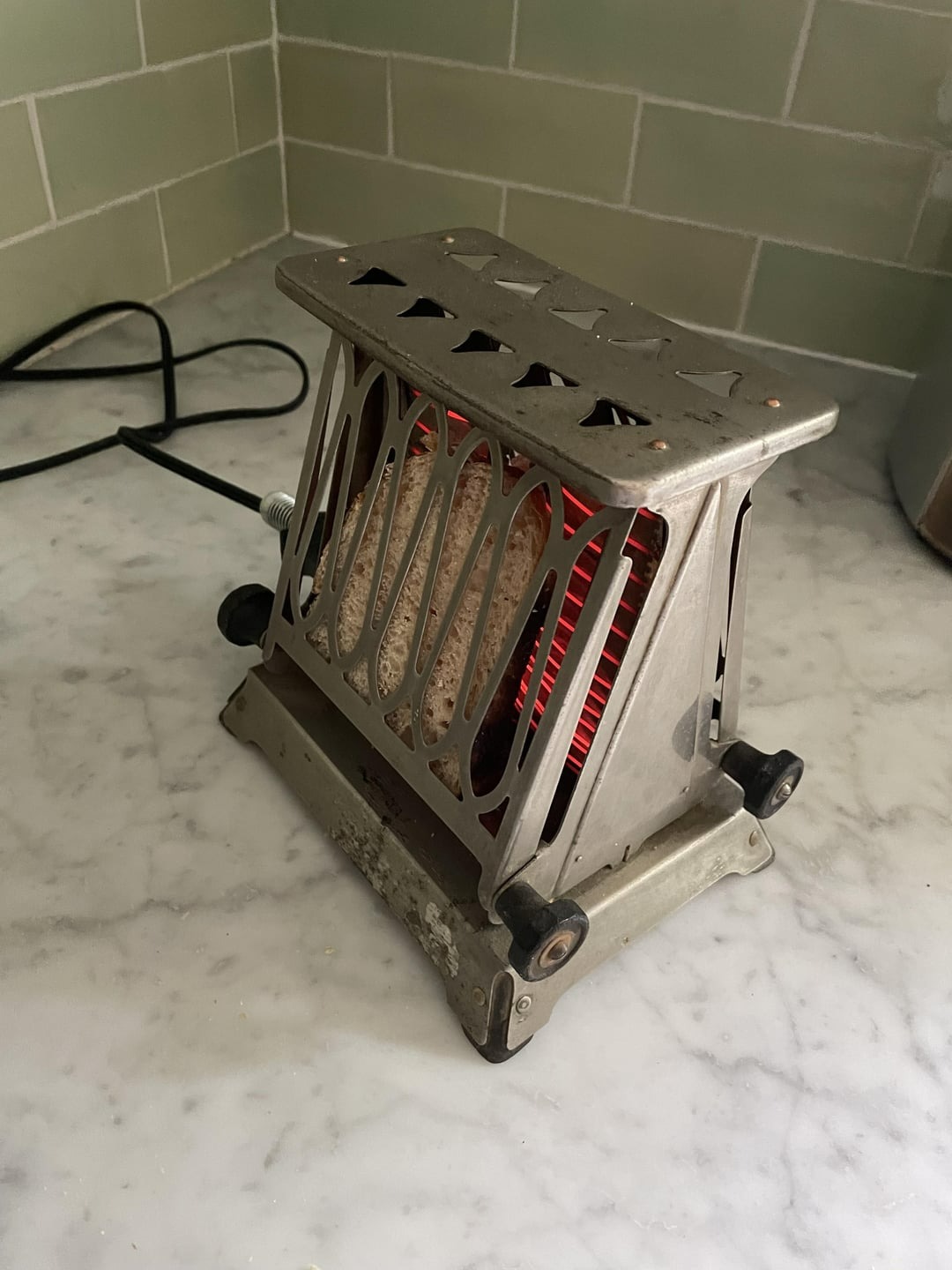
Early toasters, like this one, weren’t exactly paragons of safety. Exposed wires and a complex design posed potential risks. Thankfully, advancements have transformed them into the user-friendly and safer appliances we know today. It’s a reminder of how even familiar items can undergo remarkable improvements.
Though pre-ground coffee is readily available today, achieving a quality cup historically involved manual labor. Vintage coffee grinders, like this one, required hand-cranking to grind beans. These hefty tools were a testament to the dedication of coffee enthusiasts before the invention of electric coffee makers.
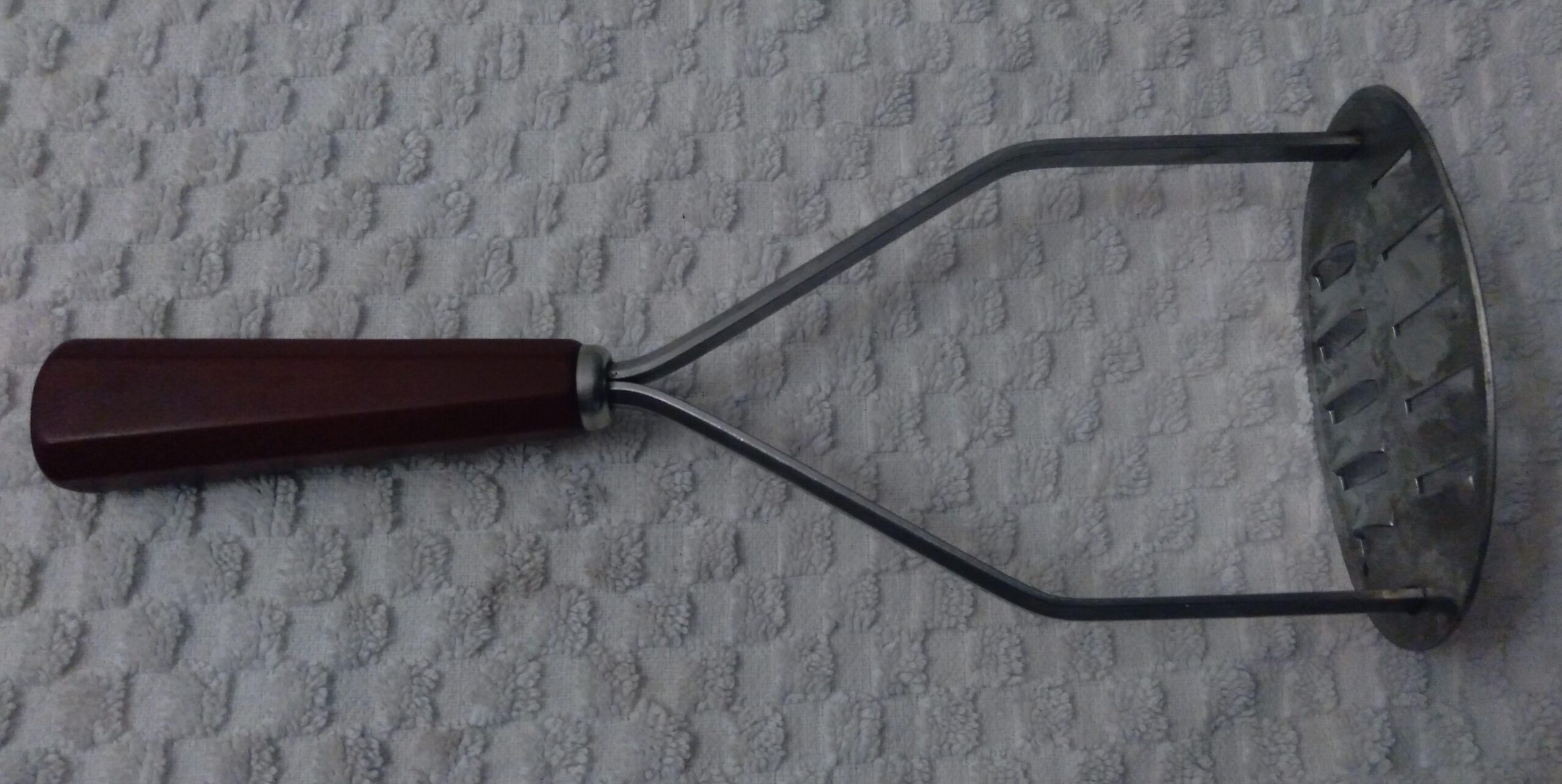
The humble potato masher, with its distinctive swirls, is a timeless kitchen tool. While not as quick as an electric mixer, it offers a manual alternative for achieving smooth mashed potatoes. These cheerful utensils hold a nostalgic charm and remain a practical option for kitchens lacking an electric mixer.
This egg slicer, with its unique grooves, exemplifies a recurring theme on this list: the pursuit of culinary perfection. While some might consider it a niche tool, many appreciate the consistent, thin slices it produces, ideal for sandwiches and garnishes. This convenience comes at the cost of an additional dish to wash, but for some, the even slices justify the effort.
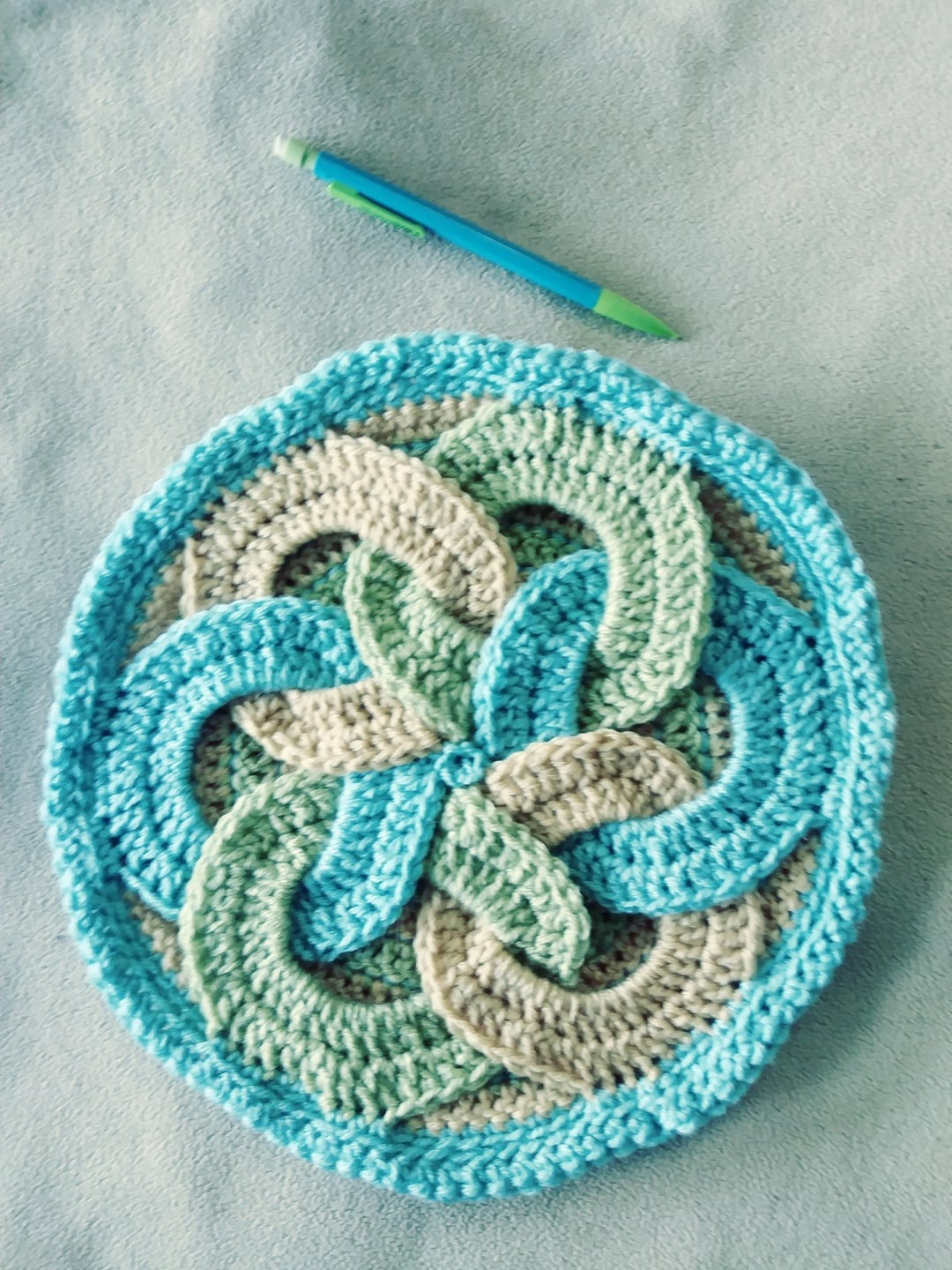
In the past, crafting skills were more widely common within families. Grandmothers, often pictured rocking and knitting, would create not just clothes but also practical kitchen items like these crocheted hot pads. These offered dual benefits: functionality by protecting surfaces from hot dishes and personalized aesthetics, reflecting individual creativity within different kitchens.
Gone are the days of plain circular cookies! Grandmas, often surrounded by eager children, embraced the joy of cookie cutters. These versatile tools allowed for endless creativity in cookie shapes, transforming baking into a fun family activity. From animal figures to stars and hearts, the possibilities were limitless, exceeding the typical handful of options usually available.
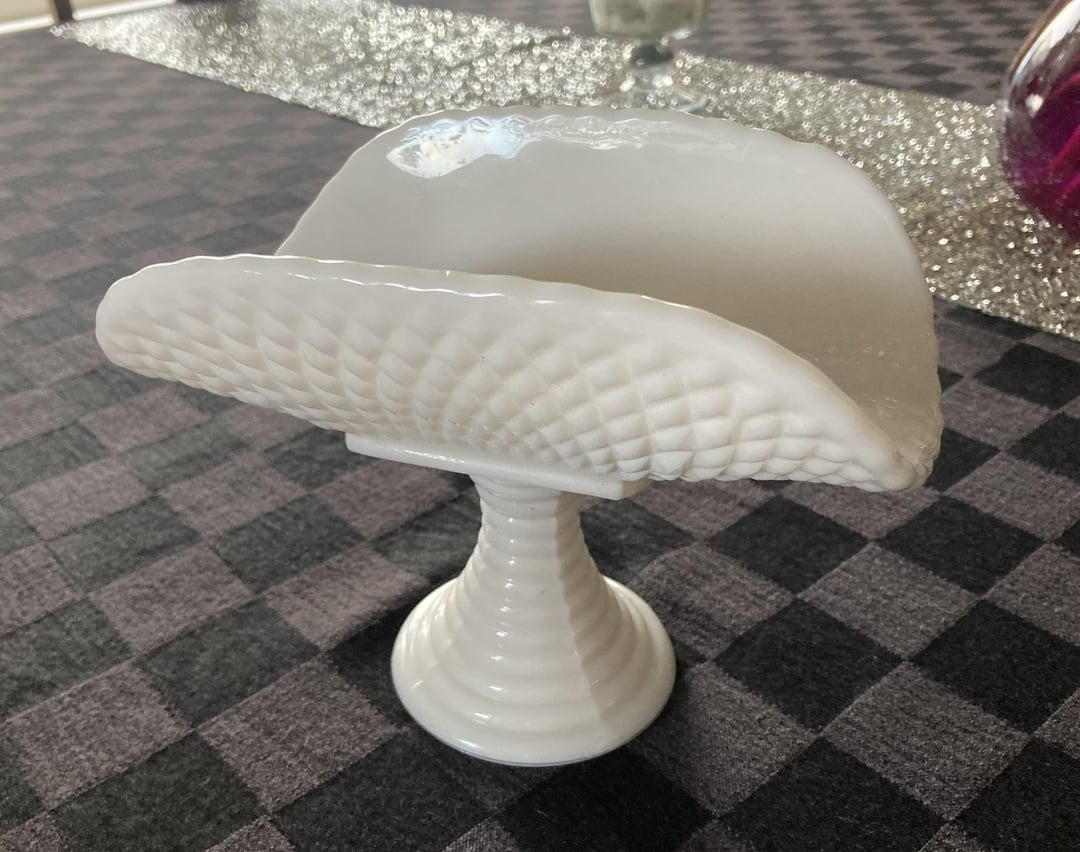
Milk glass, a distinctive opaque white glass popular in the 1950s, is enjoying a resurgence. In vintage kitchens, it adorned a variety of cookware, from delicate bowls to whimsical vases. Unlike the clear glass most associate with the material, milk glass offered a unique textural quality and soft beauty. The versatility of the material allowed for a vast array of kitchenware, from cups and bowls to even cutlery (though not likely actual knives!).
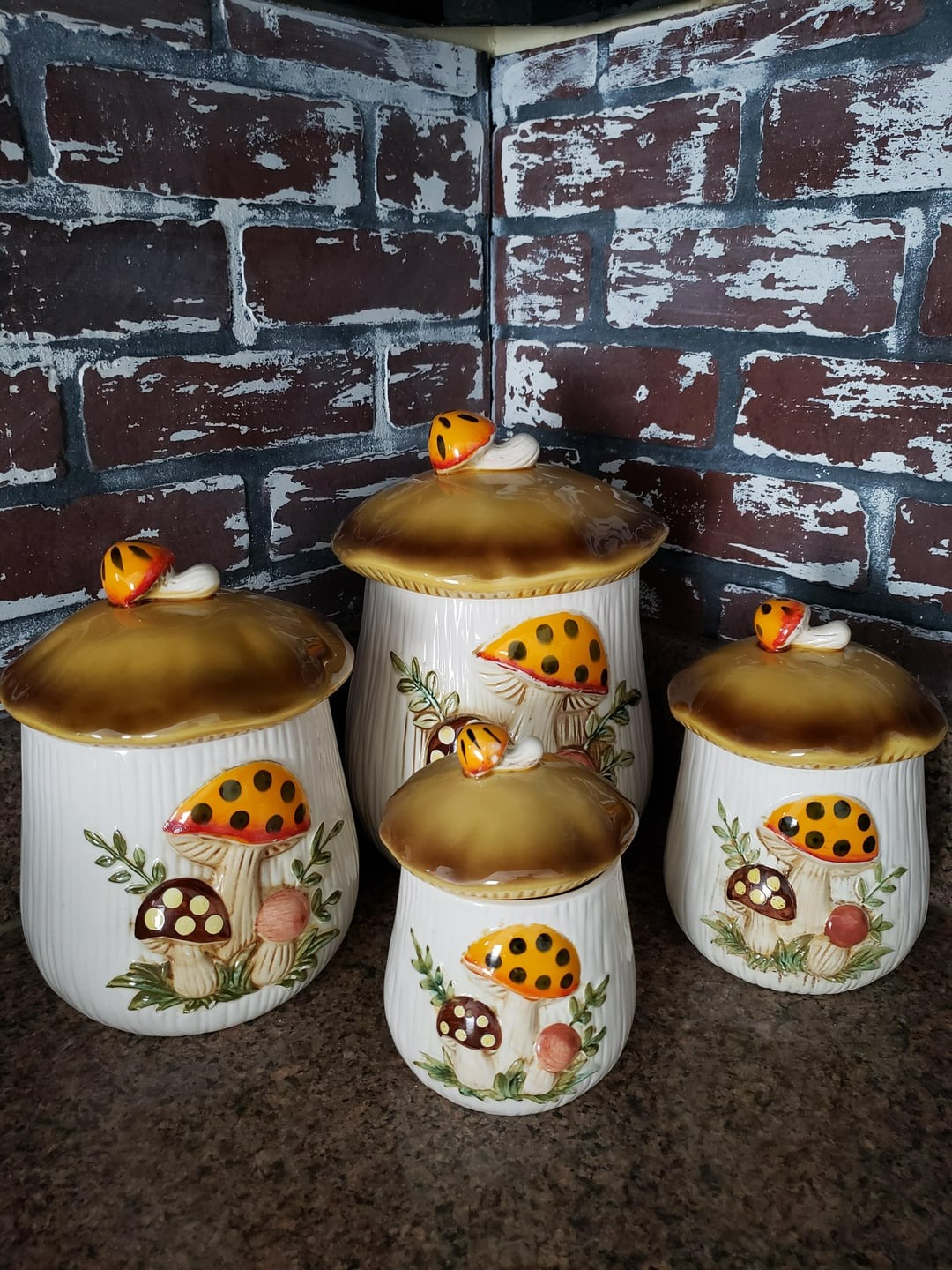
Gone are the days of crystal-clear organization in grandma’s kitchen. Back then, matching, labeled storage sets were the norm, eliminating the mystery of where things resided. Flour, sugar, and tea all had designated containers, clearly marked for easy identification, saving precious time and frustration. These days, however, matching sets are a rarity, often limited to the basic coffee, tea, and sugar trio. While convenient, the lack of extensive labeling adds a touch of ambiguity to modern kitchens, a stark contrast to the bygone era of meticulous organization.
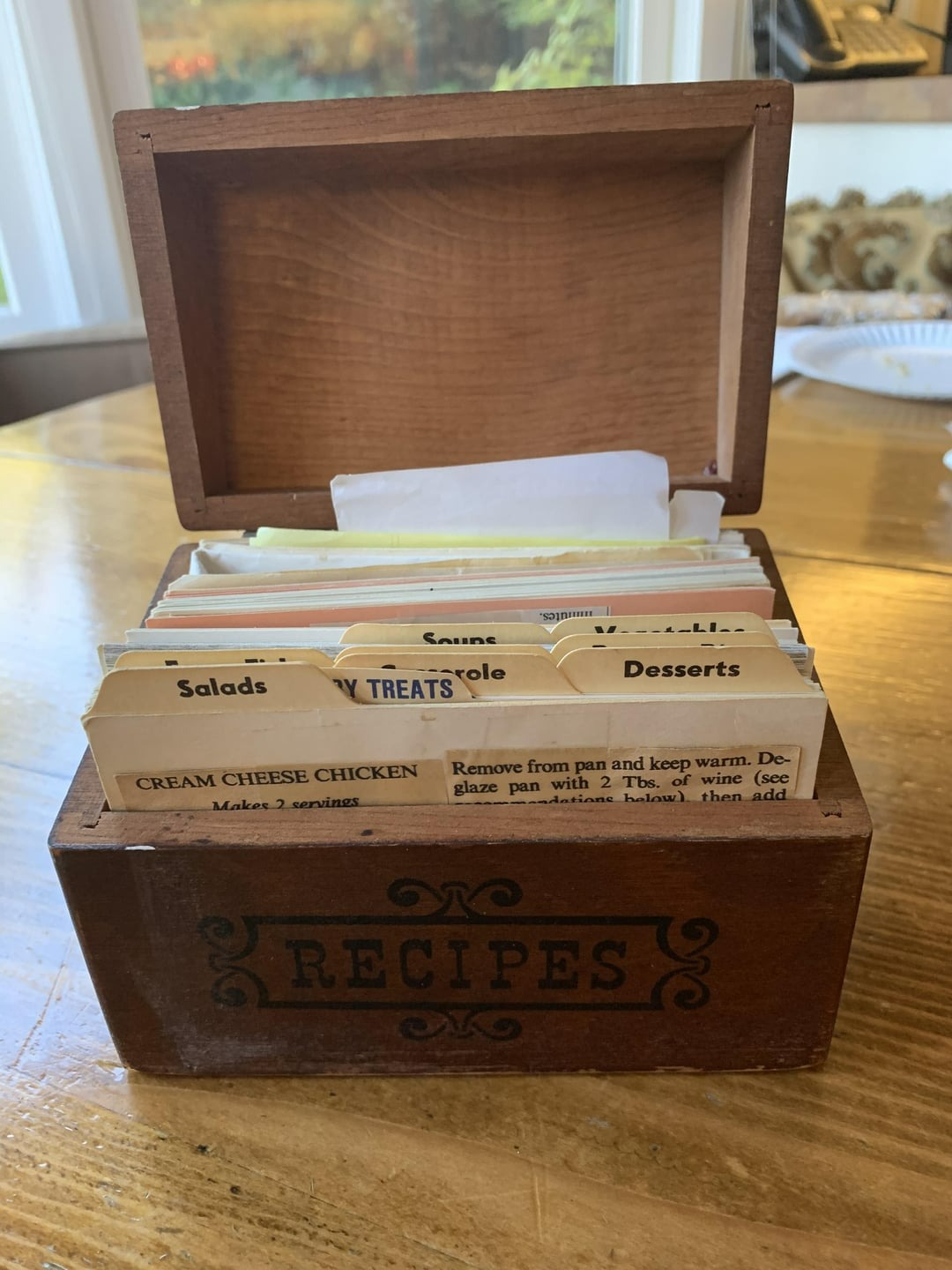
In a time before digital bookmarks and screenshots, precious recipe boxes held the culinary secrets of families. These wooden treasure chests, imbued with the warmth of aged paper and wood, held more than just ingredients and instructions. They housed cherished memories, passed down through generations, each recipe a tangible reminder of loved ones and shared meals. These boxes were more than just storage containers; they were symbols of family history and culinary heritage, carefully guarded and passed down with love.
35 Vintage Kitchen Gadgets Your Grandma Couldn’t Go a Day Without
Eduarod Gaskell
03.05.24
Over the last fifty to sixty years, basic tools, including kitchen gadgets, have evolved considerably. Items once common in your grandmother’s kitchen are now unrecognizable. However, it’s a pity because many vintage appliances were exceptionally effective for cooking and baking. That’s why we’ve gathered the best ones for a nostalgic journey, making us wonder why we ever stopped using them.
Cheese Grater Mill
It’s almost unimaginable that nearly every household once owned one of these. At first glance, it’s challenging to identify this vintage kitchen gadget. Yet, it’s a gem – a cheese grater. While pre-grated cheese is prevalent today, there was a time when this wasn’t the case. Just imagine the freshness of the cheese grated right before use. It’s akin to the disparity between pre-ground coffee and freshly ground beans.